
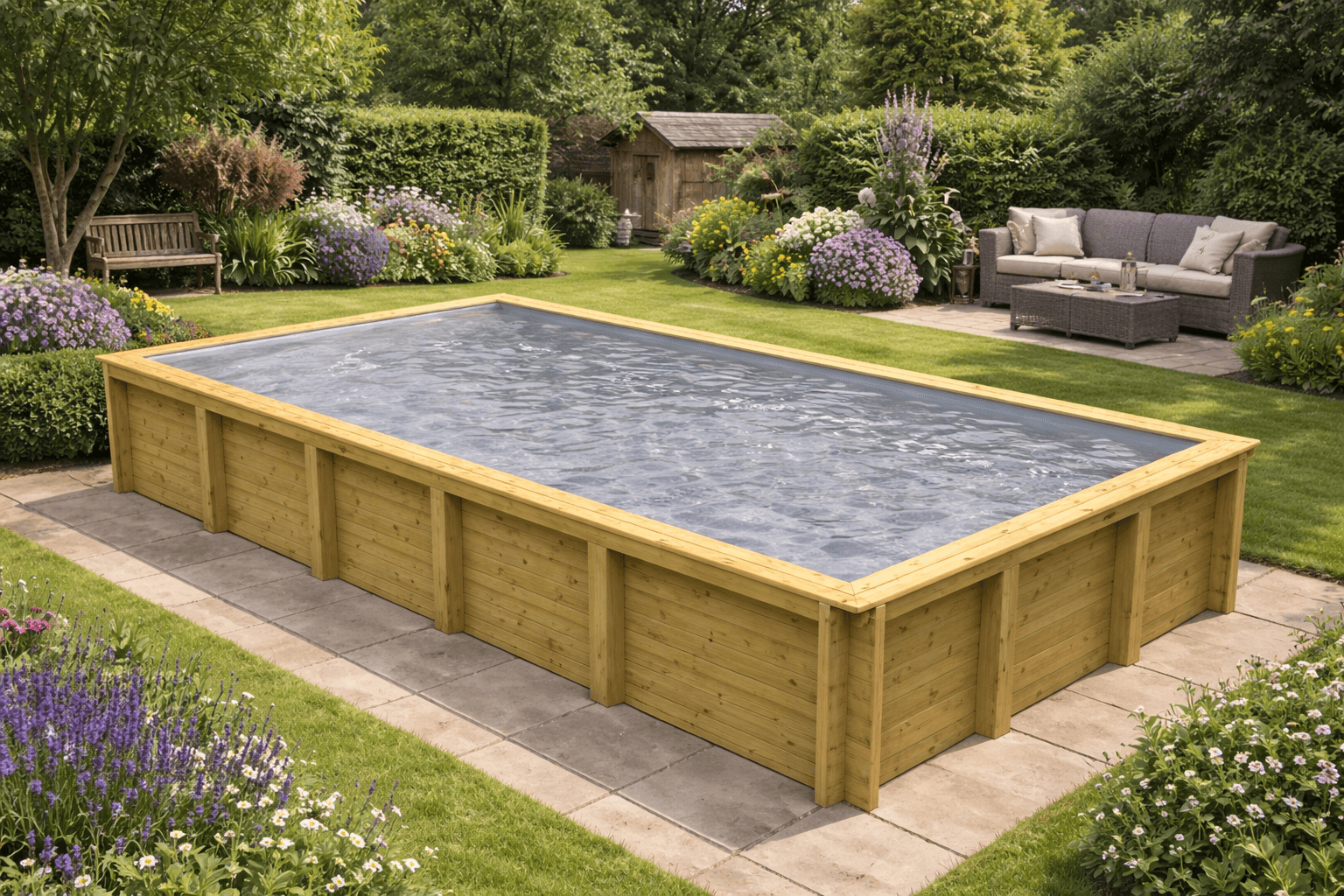
Choosing the right size heat pump is essential. An undersized unit will struggle to heat the pool efficiently, while an oversized one costs more than necessary. This guide covers the key factors, the sizing principles, and why you should always choose a model slightly larger than the minimum.
Why Choosing the Right Size Matters
An undersized heat pump will run continuously and may fail to reach the desired water temperature, especially during cooler spells. It will also wear out faster. Choosing a correctly sized or slightly oversized unit results in better performance, lower running costs, and a longer lifespan.
Your pool pump's flow rate also needs to be adequate. Check that your existing pump and filter can deliver the minimum flow rate stated in the heat pump specifications. If the flow is too low, the heat pump may overheat and shut off.
Always oversize
All sizes shown in this guide are minimums. Where possible, choose a larger model to ensure efficient performance in cooler conditions. A heat pump running at 60–70% capacity runs more efficiently than one at 100% — and copes better in a cold spring.
Key Sizing Factors
Four factors determine the right heat pump size for your pool:
Pool volume (m³)
Calculated from length × width × depth (or π × r² × depth for round pools).
Target water temp
Most UK pools are heated to 26–30°C. Higher targets need more output.
Lowest expected air temp
A heat pump sized for July will underperform in April. Size for your full season.
Pool cover usage
A good solar cover can reduce heat loss by up to 70%, significantly reducing the required heat pump output.
Minimum Recommended Sizes — Common Pool Volumes
The table below shows minimum recommended heat pump output (kW) for common above-ground pool volumes across three typical UK usage profiles. These assume the pool has a good solar cover and the target water temperature is 28°C.
| Pool volume | Jun–Aug only | May–Sep | Apr–Oct |
|---|---|---|---|
| Up to 10 m³ | 5 kW | 7 kW | 10 kW |
| 10–20 m³ | 7 kW | 10 kW | 12 kW |
| 20–35 m³ | 10 kW | 12 kW | 16 kW |
| 35–50 m³ | 12 kW | 16 kW | 20 kW |
| 50–80 m³ | 16 kW | 20 kW | 26 kW |
| 80 m³ and over | Contact us | Contact us | Contact us |
Minimum sizes. Choose larger where possible. Assumes pool cover, target temp 28°C, south England location.
Calculating Your Pool Volume
If you want to work it out yourself, the formulas are straightforward:
Round pools
3.14 × r² × depth
Where r = radius (half the diameter) in metres
Rectangular pools
L × W × depth
All measurements in metres. Result is m³.
If you're unsure, just send us the pool dimensions and we'll calculate it for you and recommend the right heat pump size.
Free heat pump sizing service
Send us your pool dimensions, location, and how long you want to swim each year — we'll come back with a specific model recommendation and pipe connection kit. No obligation.