
Pool Equipment
Pool Treatment
Chemicals & water treatments
Everything you need to keep your pool water clean, balanced, and safe.
Chemicals
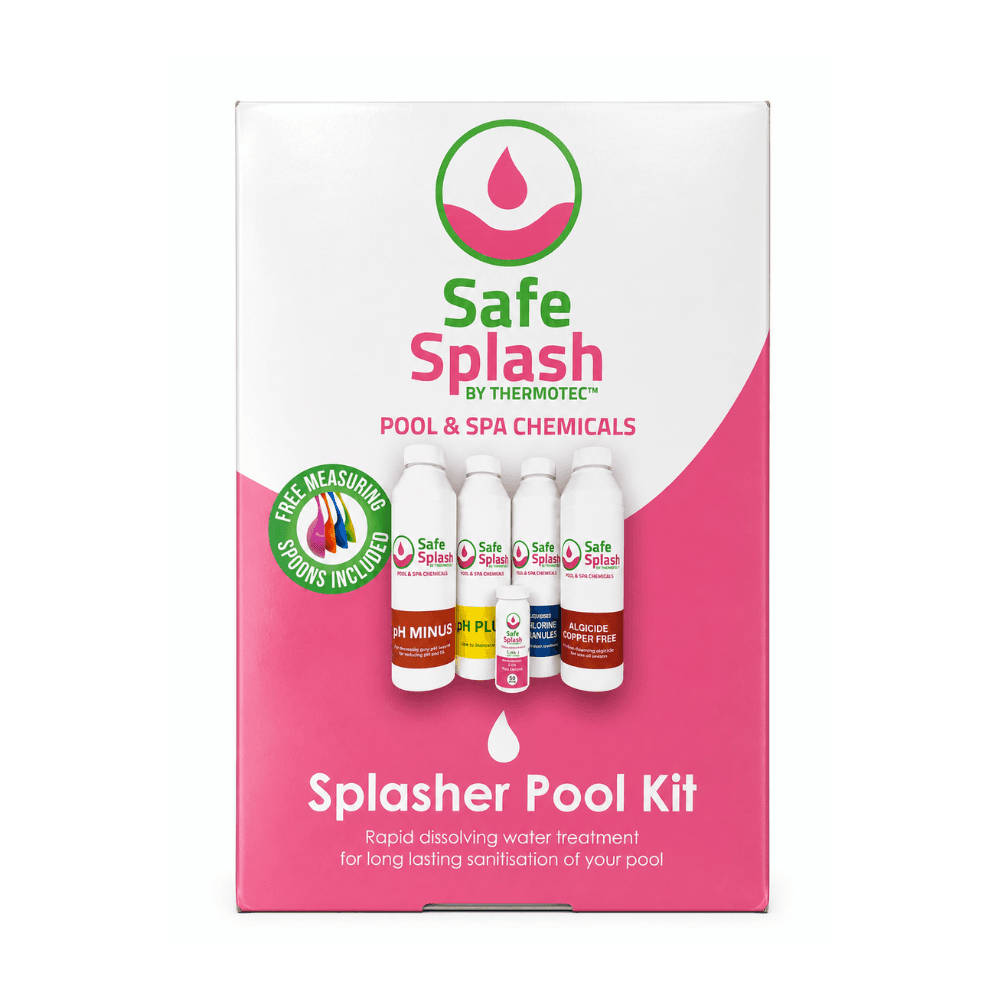
Safe Splash Splasher Water Treatment Kit
£35 inc. VAT
View product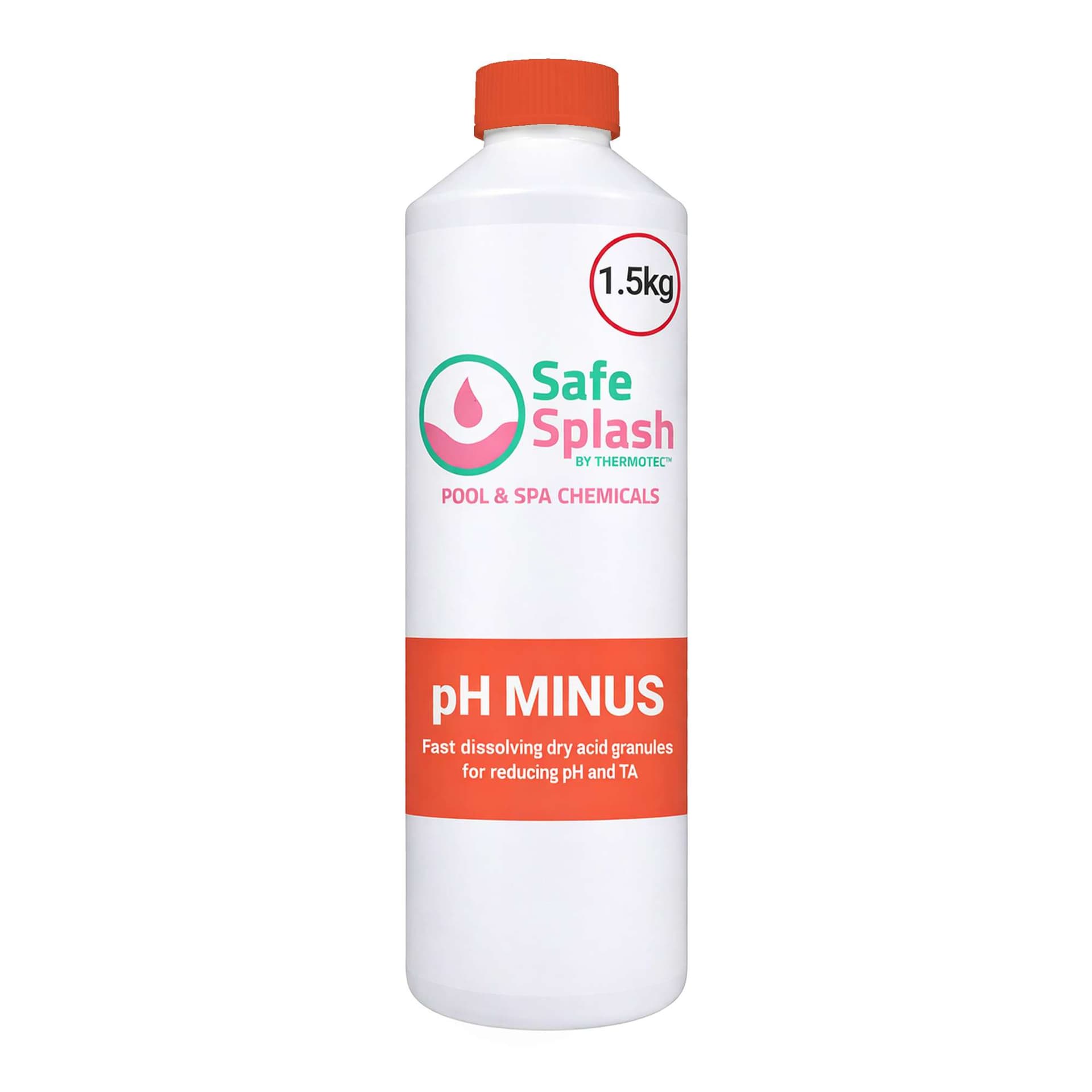
Safe Splash 1.5kg pH Minus
£15 inc. VAT
View product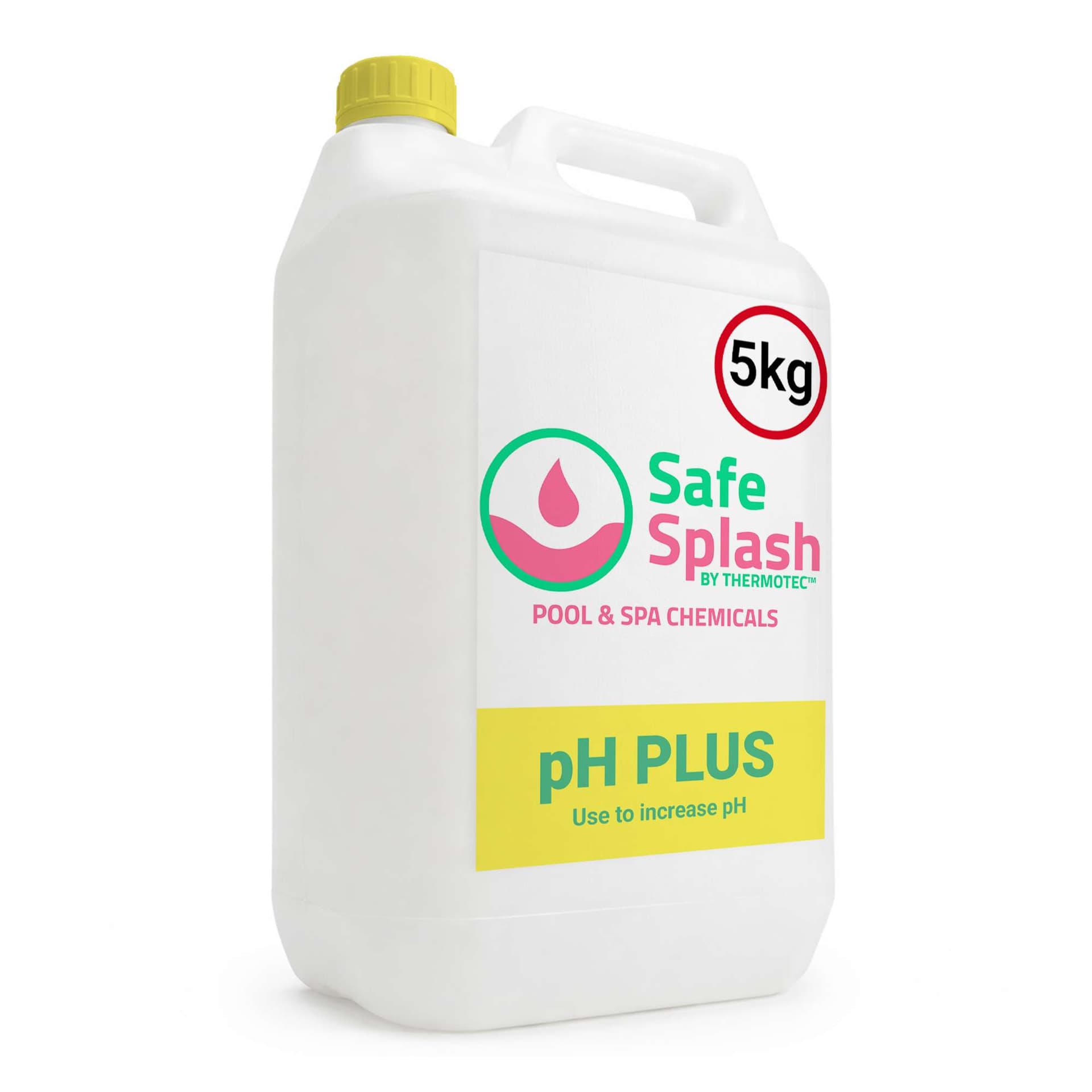
Safe Splash 5kg pH Plus
£25 inc. VAT
View product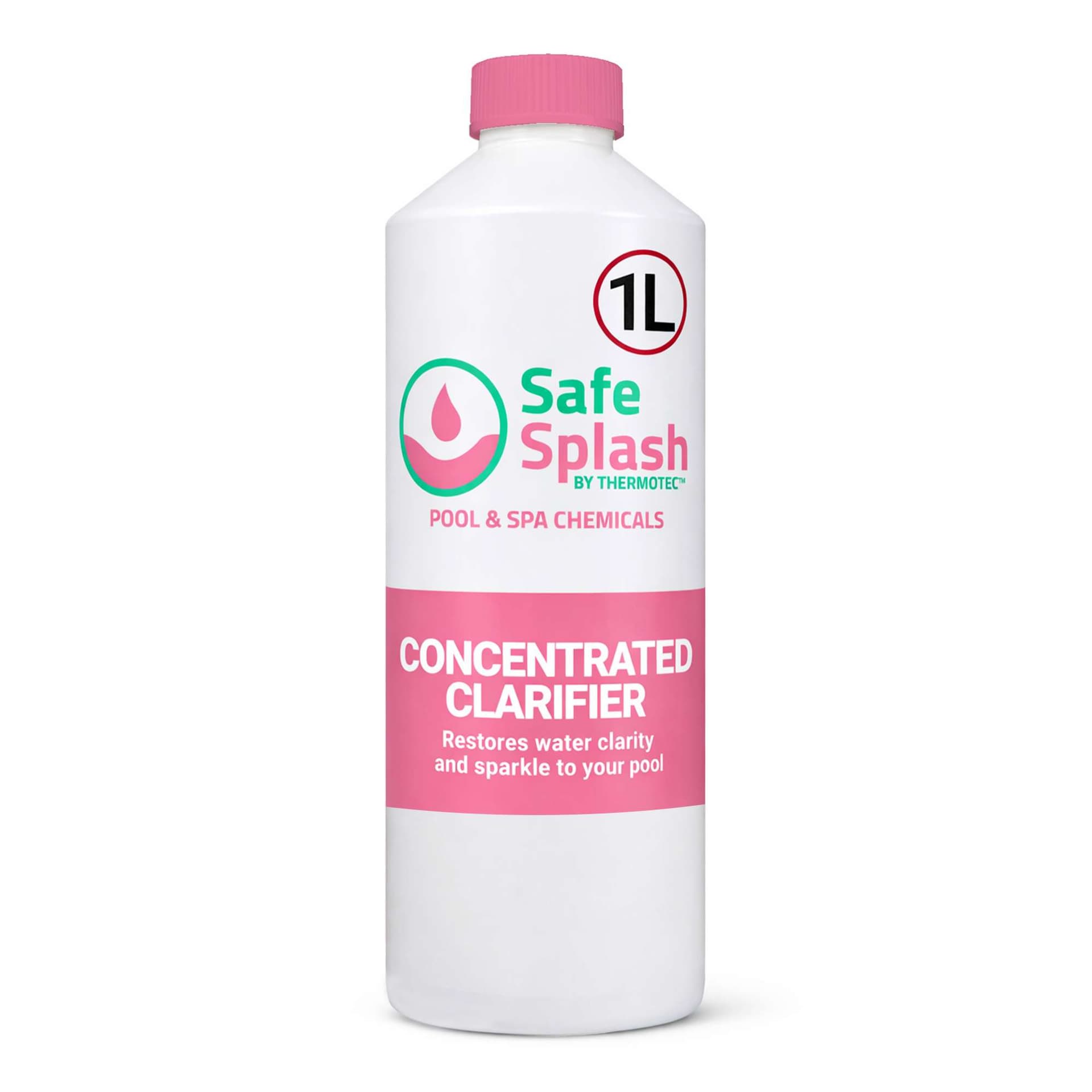
1 Litre Safe Splash Pool Water Clarifier Concentrated
£18 inc. VAT
View product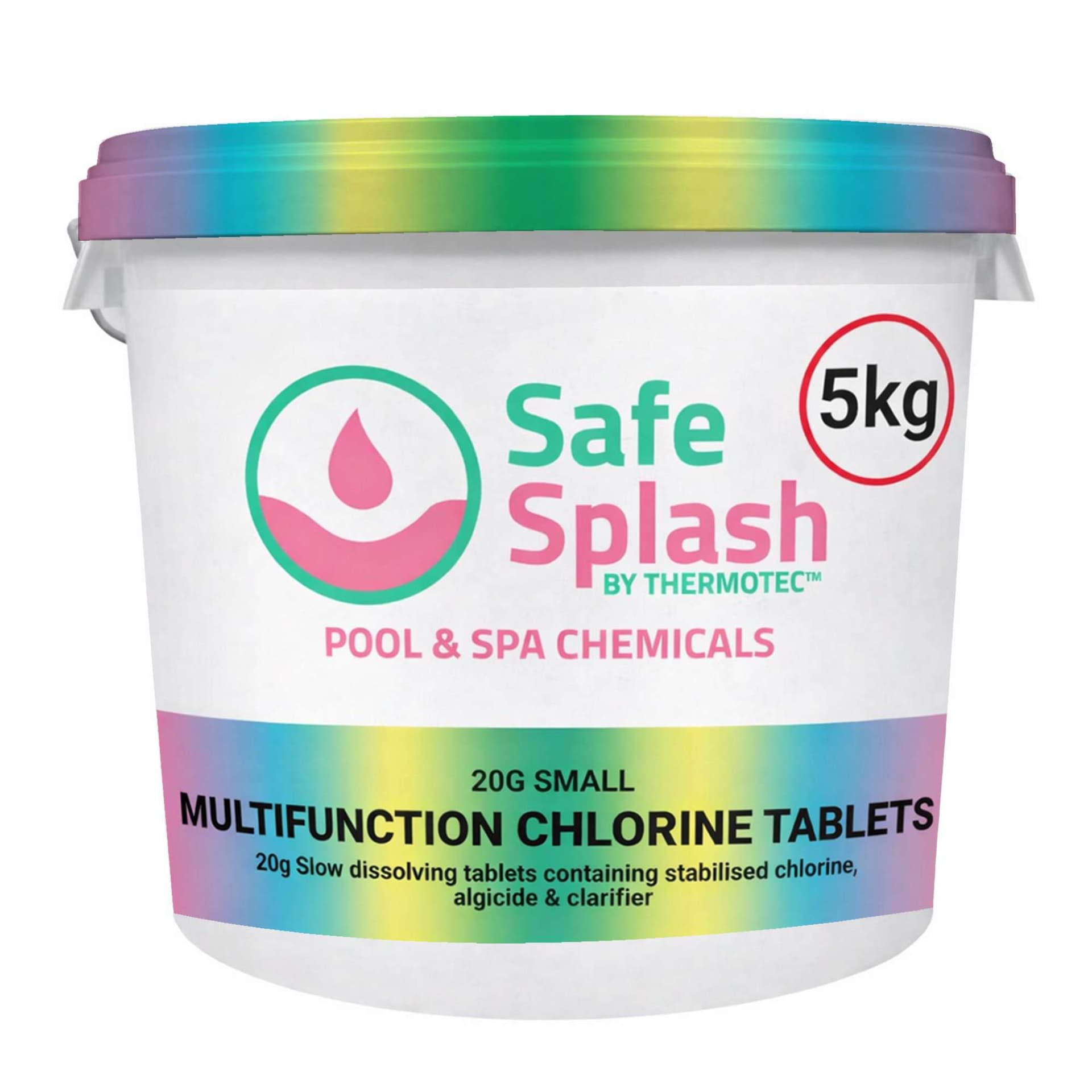
Safe Splash Multi Chlorine Small Tablets 5kg
£45 inc. VAT
View product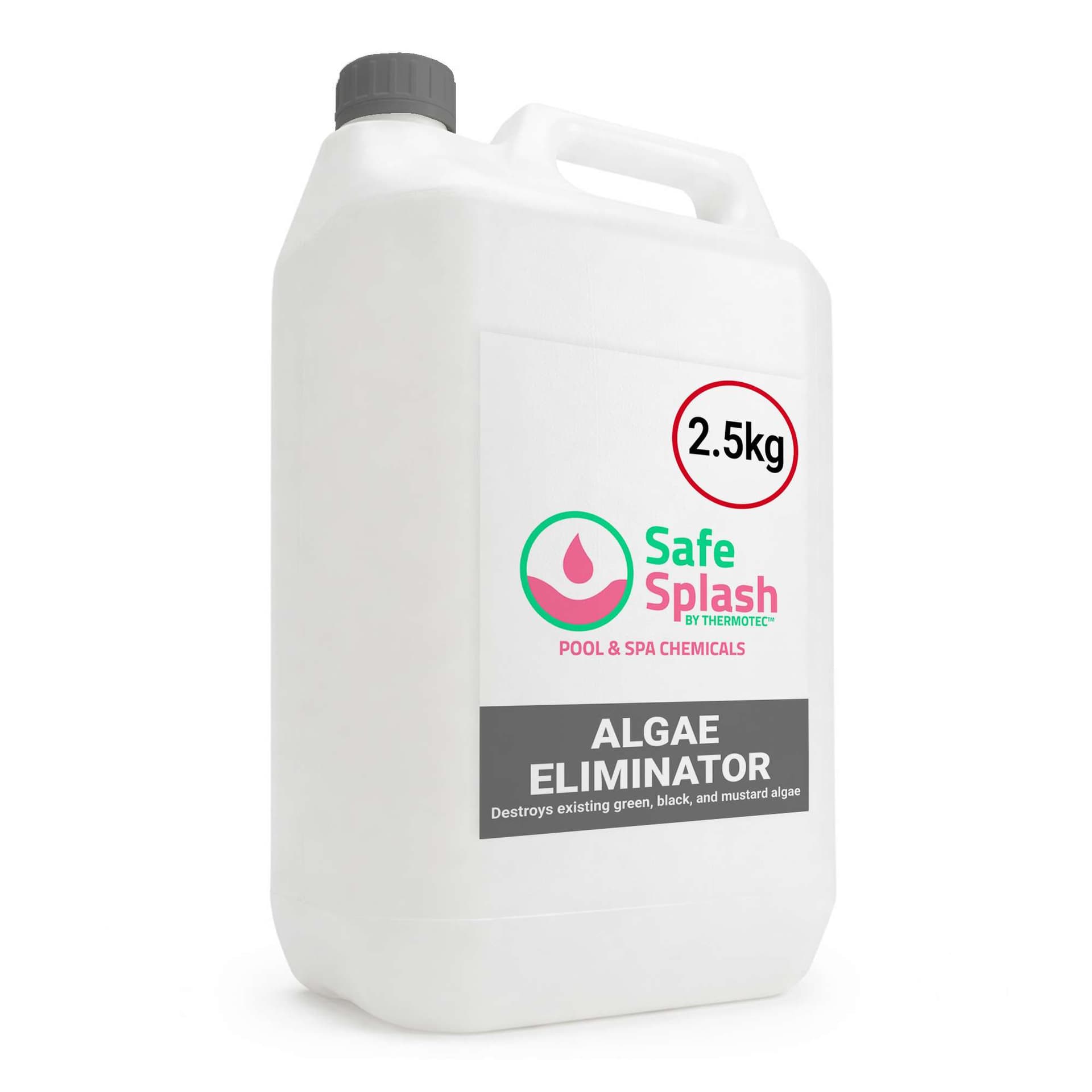
Safe Splash Algae Eliminator 2L
£40 inc. VAT
View product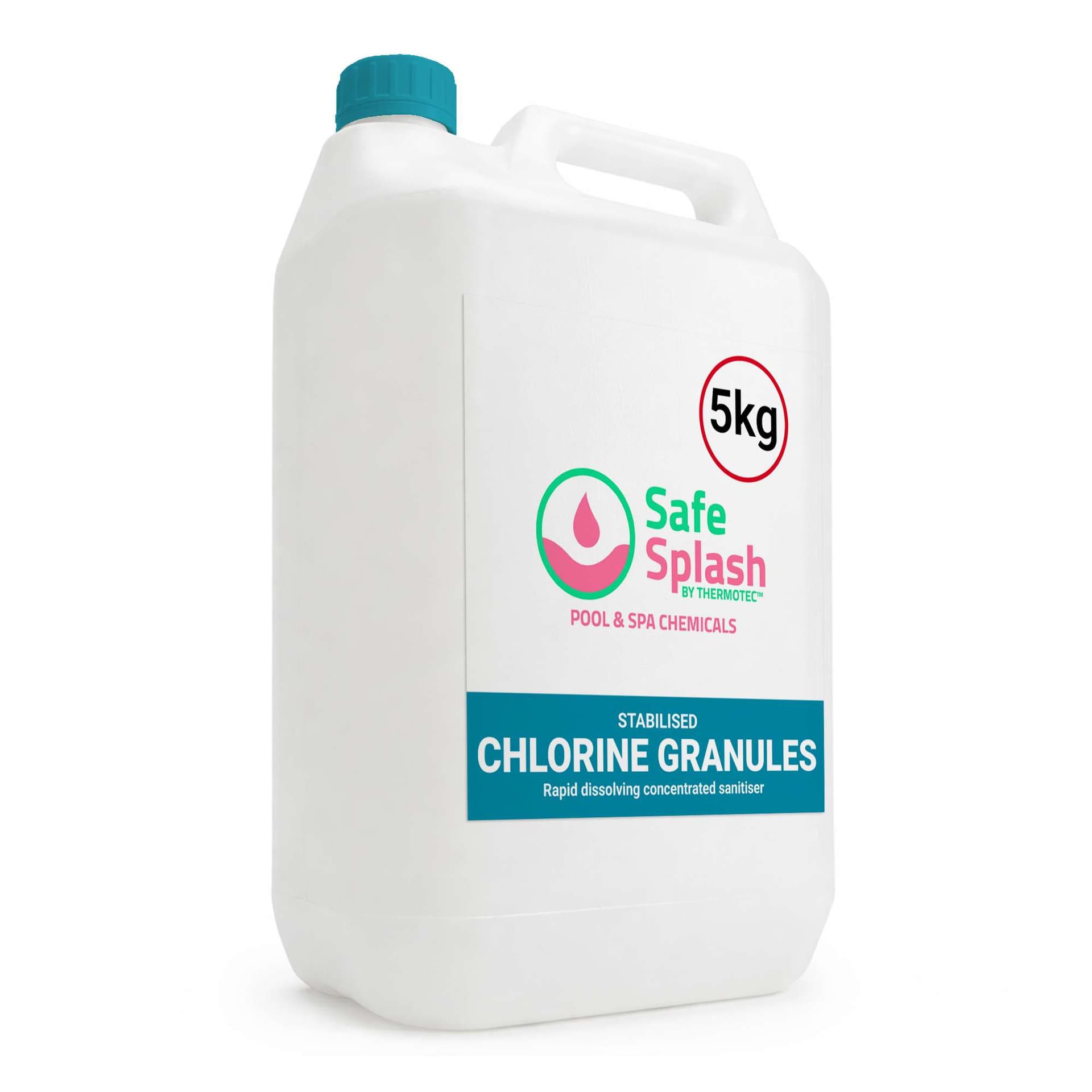
Safe Splash Stabilised Chlorine Granules 5kg
£35 inc. VAT
View product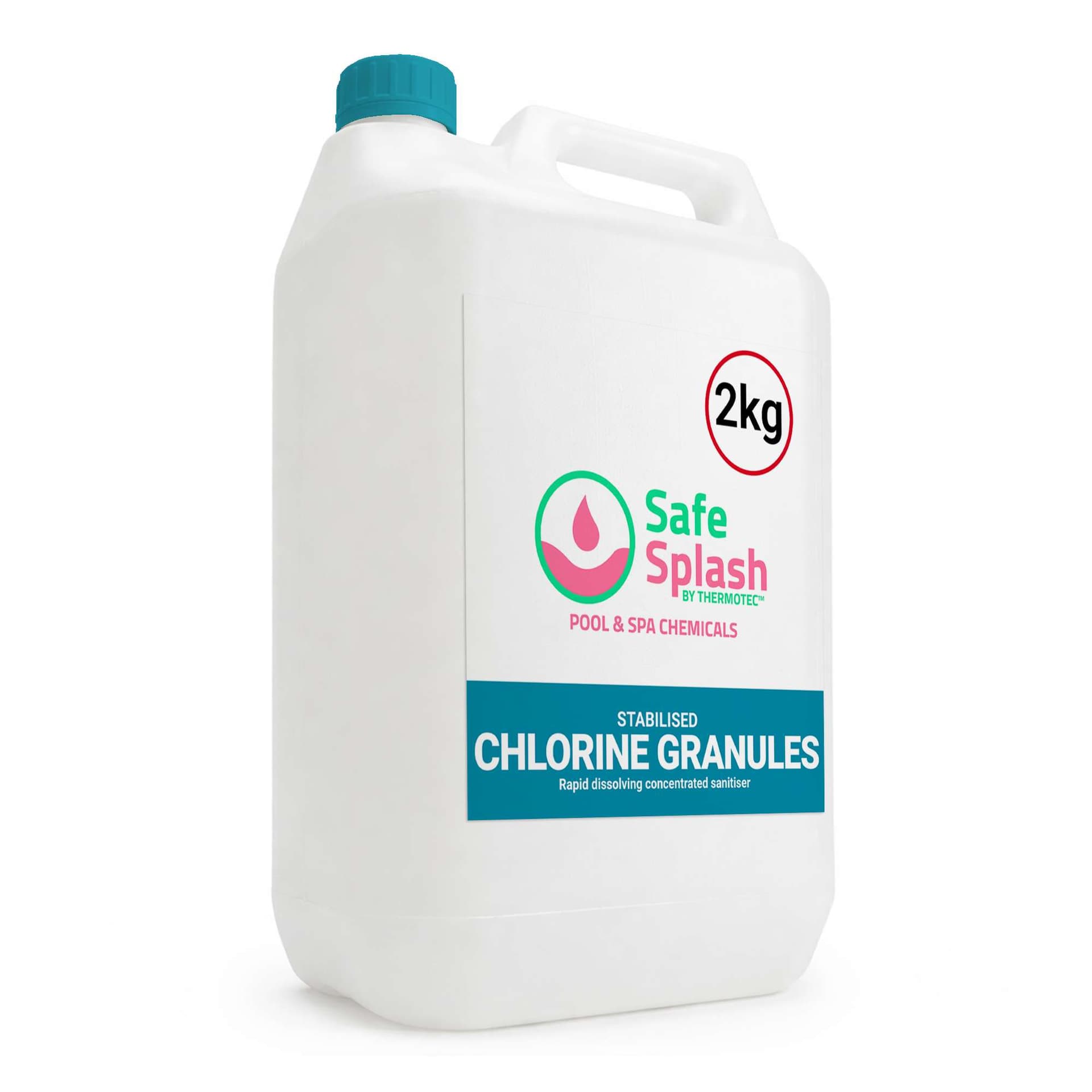
Safe Splash Stabilised Chlorine Granules 2kg
£25 inc. VAT
View product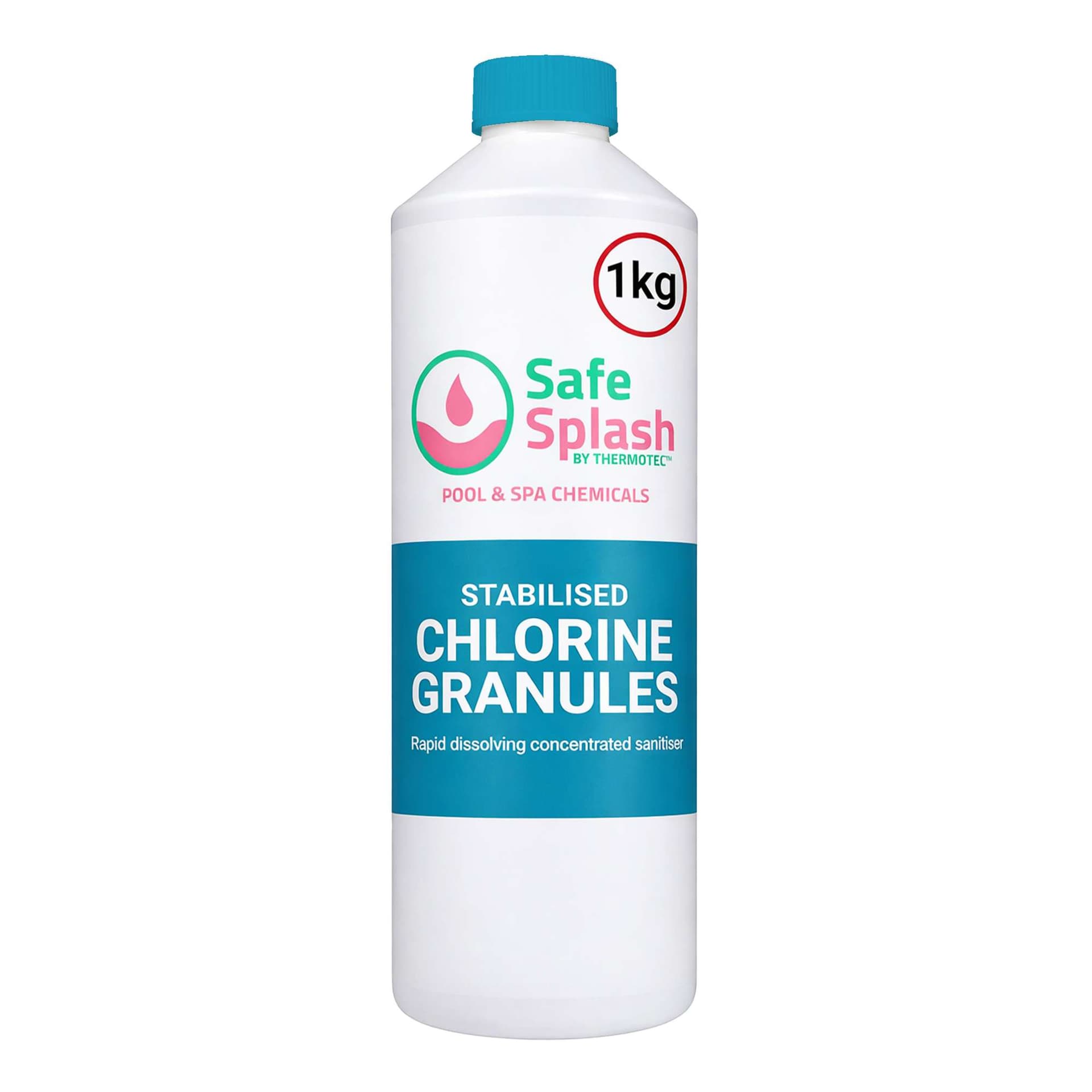
Safe Splash Stabilised Chlorine Granules 1kg
£15 inc. VAT
View product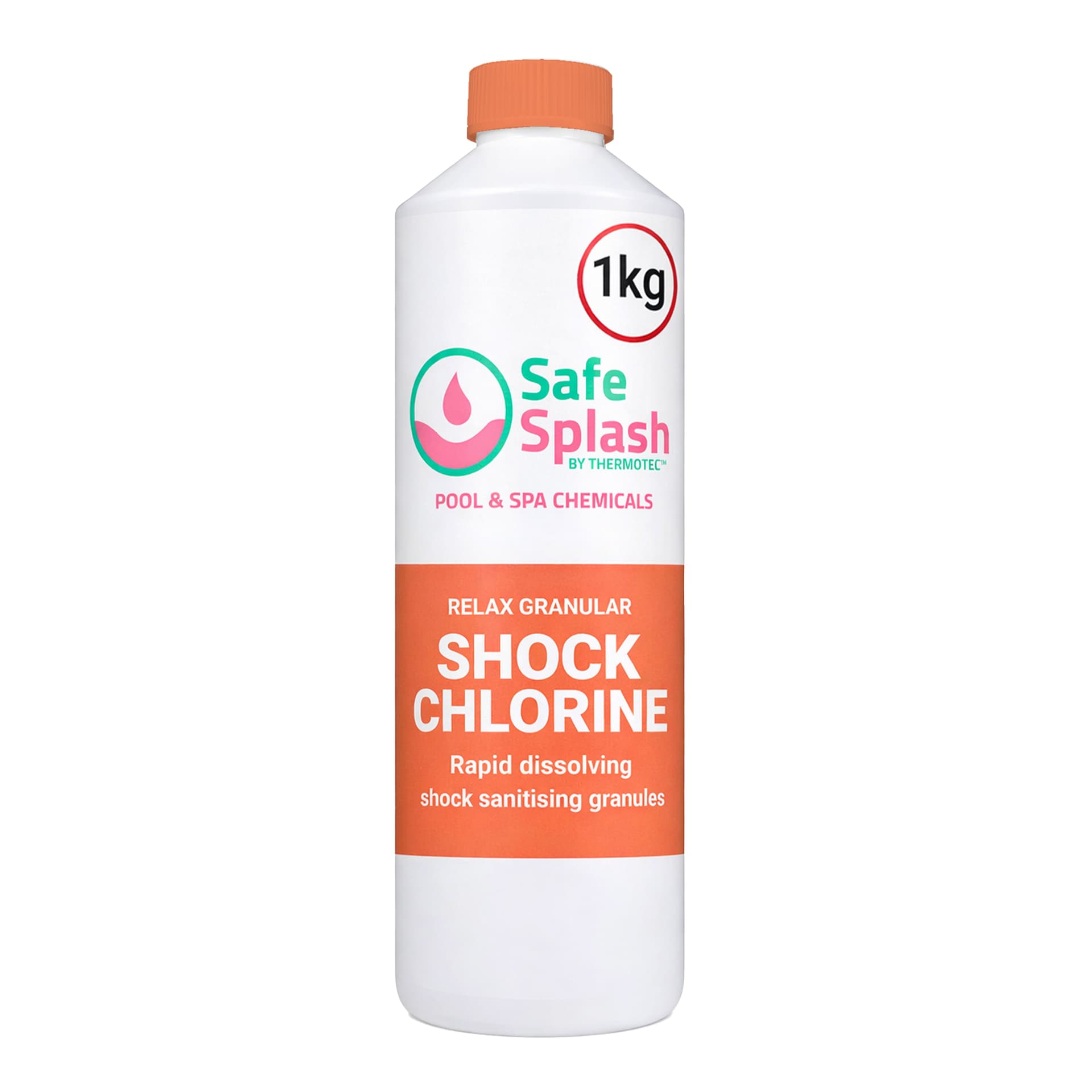
1kg Safe Splash Pool Granular Shock Chlorine
£18 inc. VAT
View product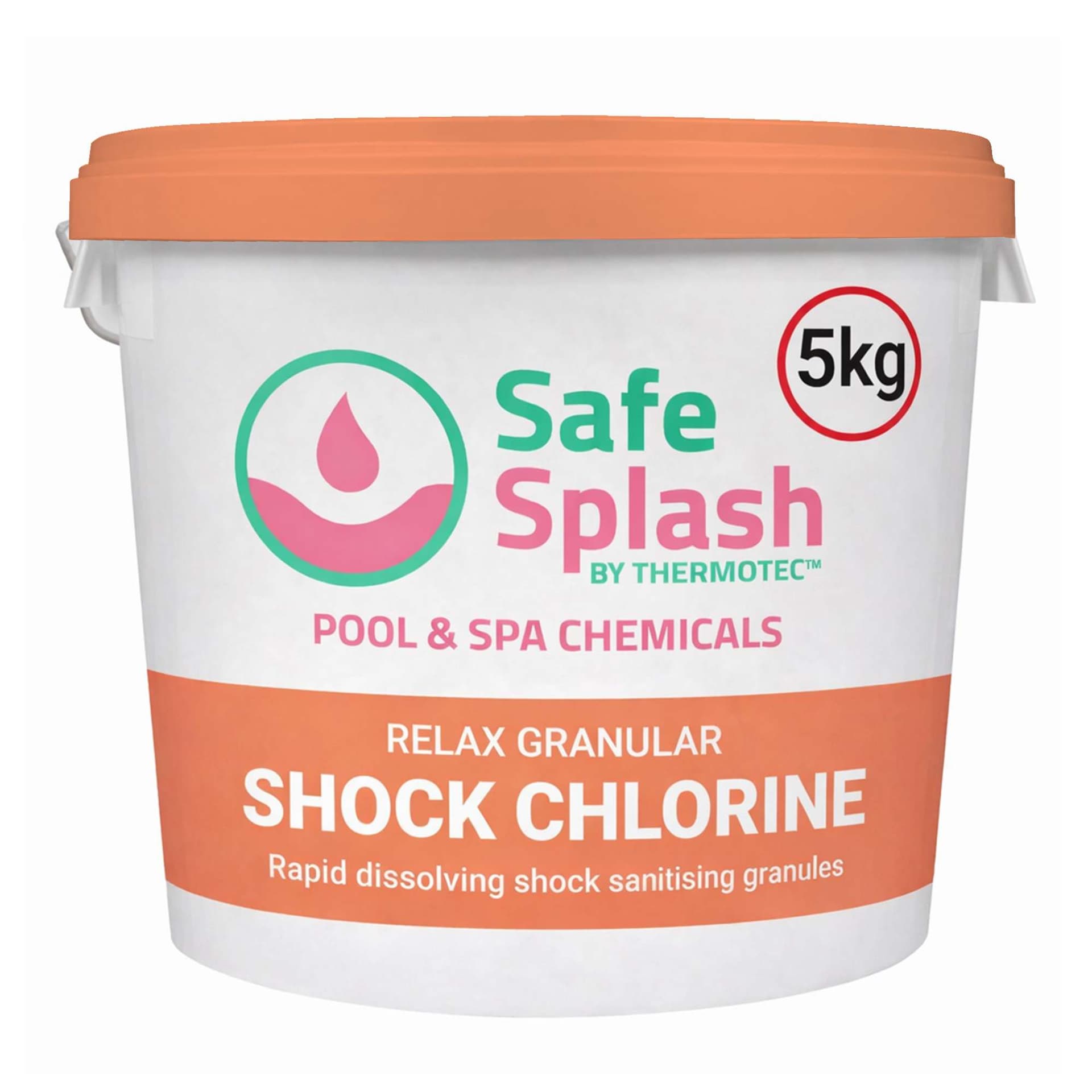
5kg Safe Splash Pool Granular Shock
£50 inc. VAT
View product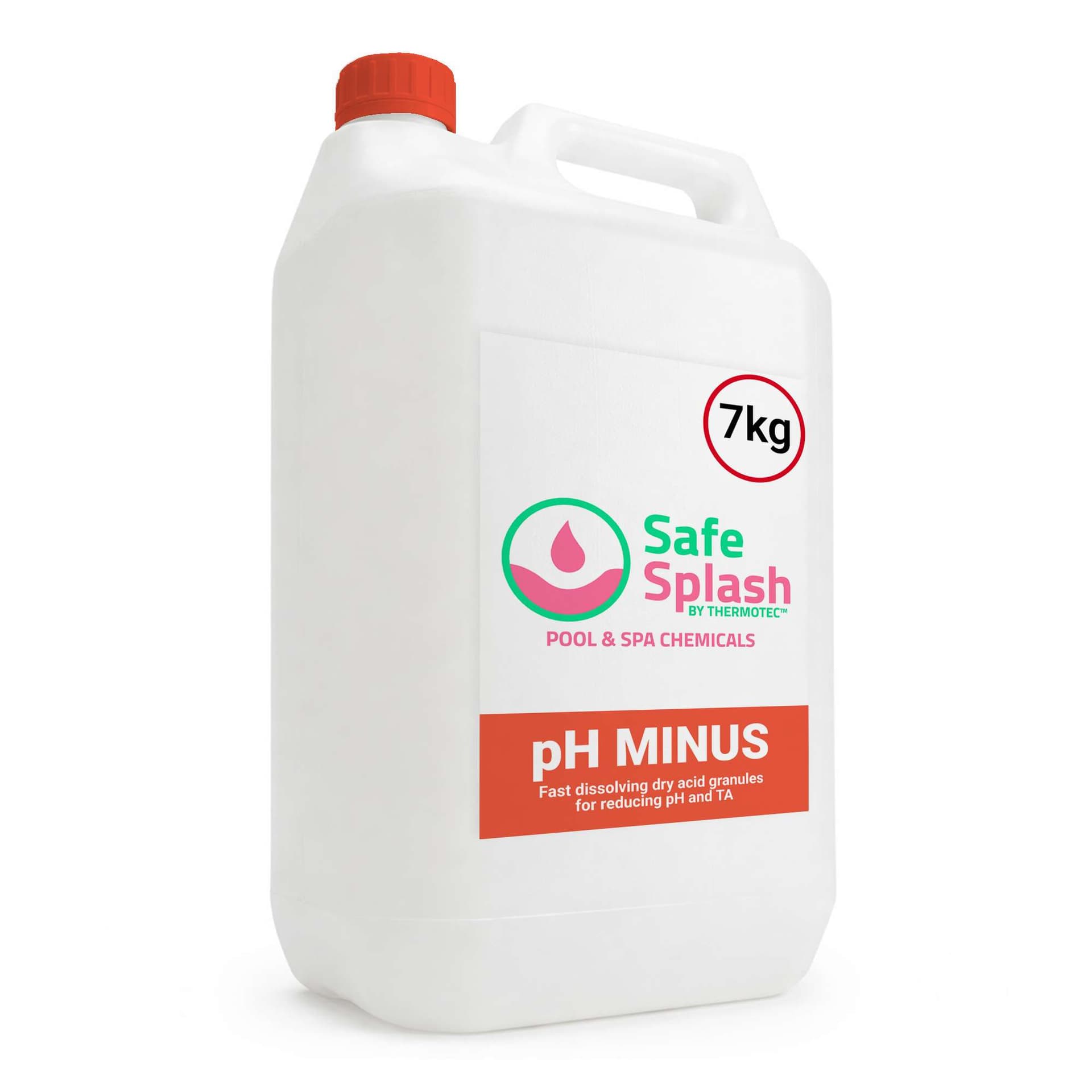
Safe Splash 7kg pH Minus
£25 inc. VAT
View product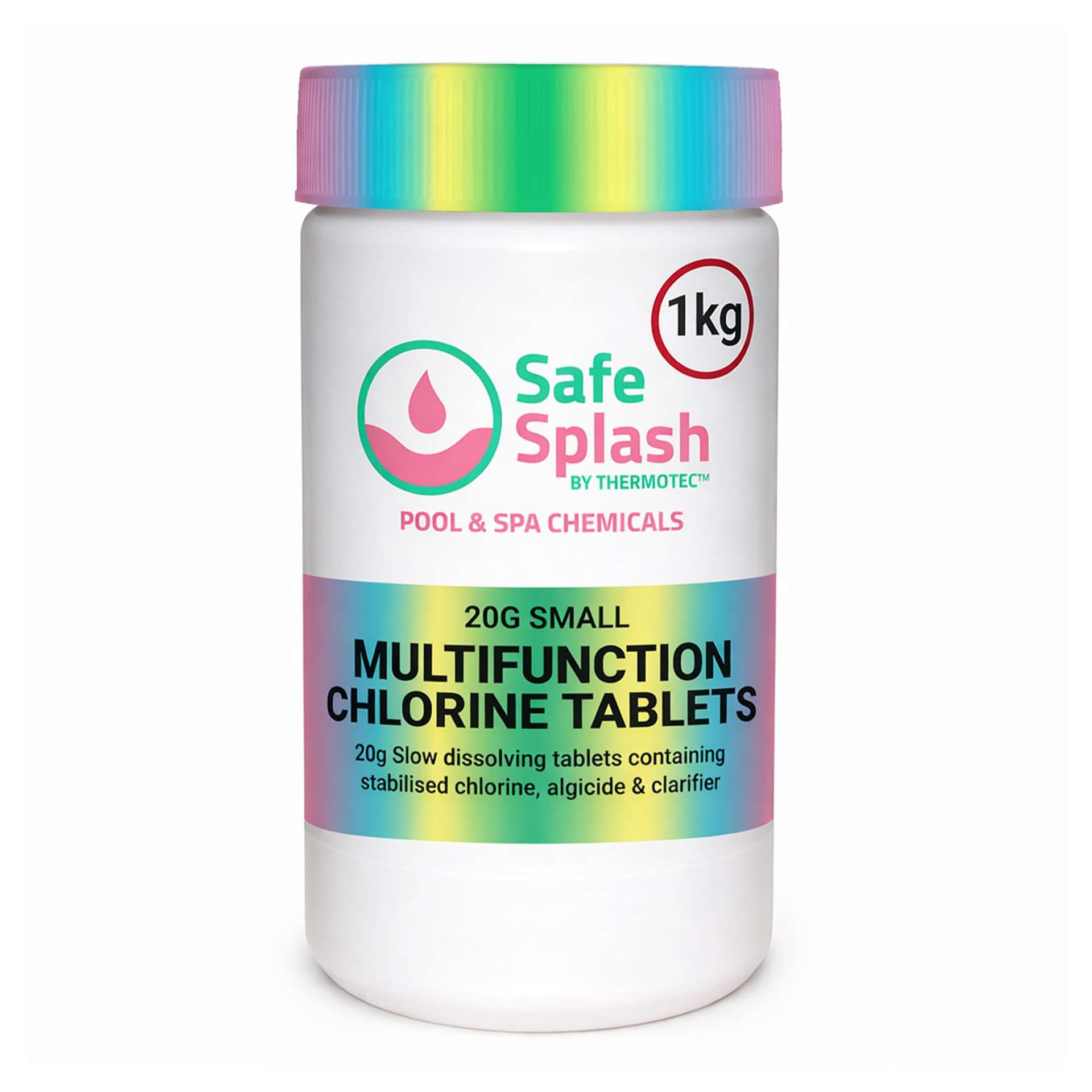
1kg Safe Splash Pool Multi Pool Tablets
£18 inc. VAT
View product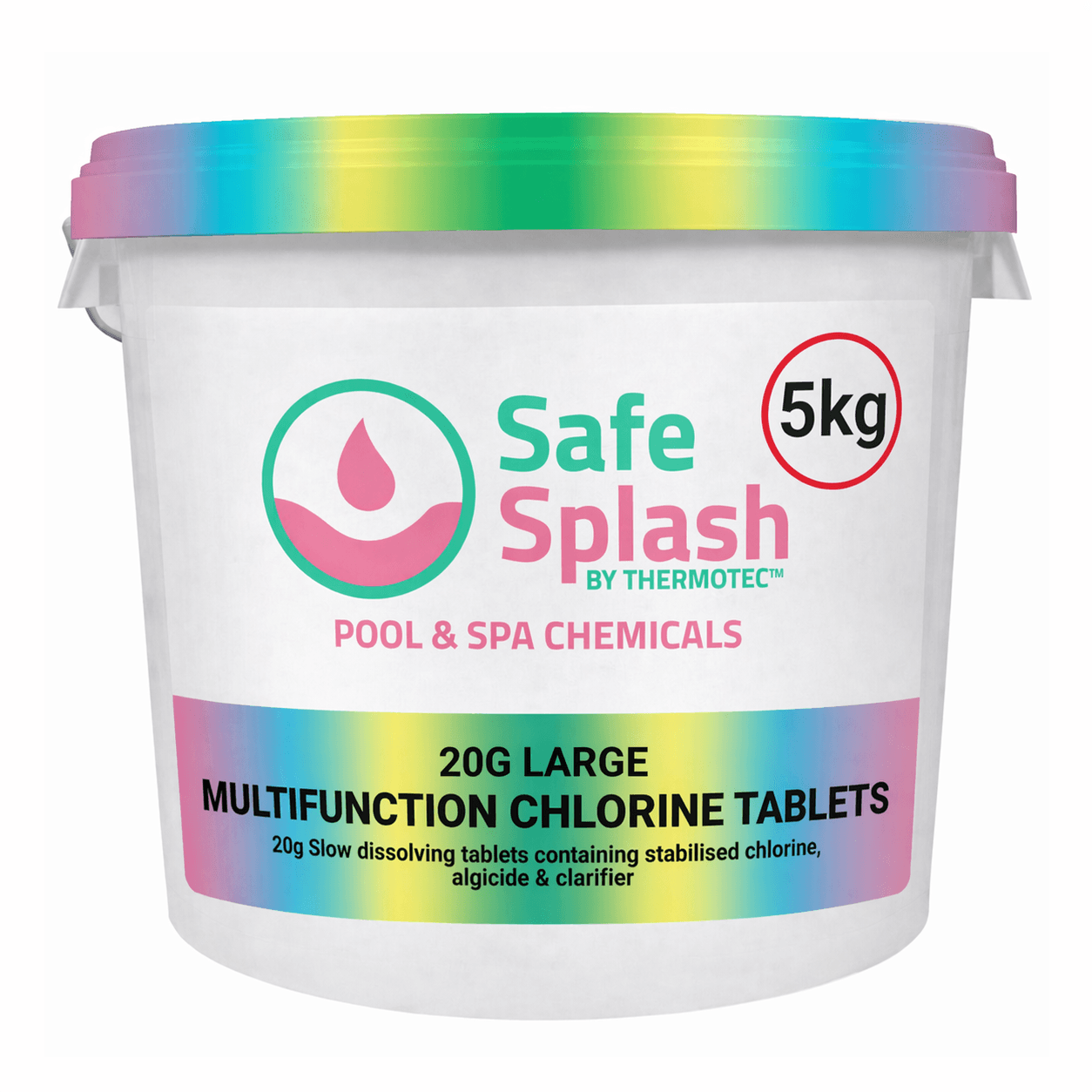
Safe Splash Multi Chlorine Large Tablets 5kg
£40 inc. VAT
View product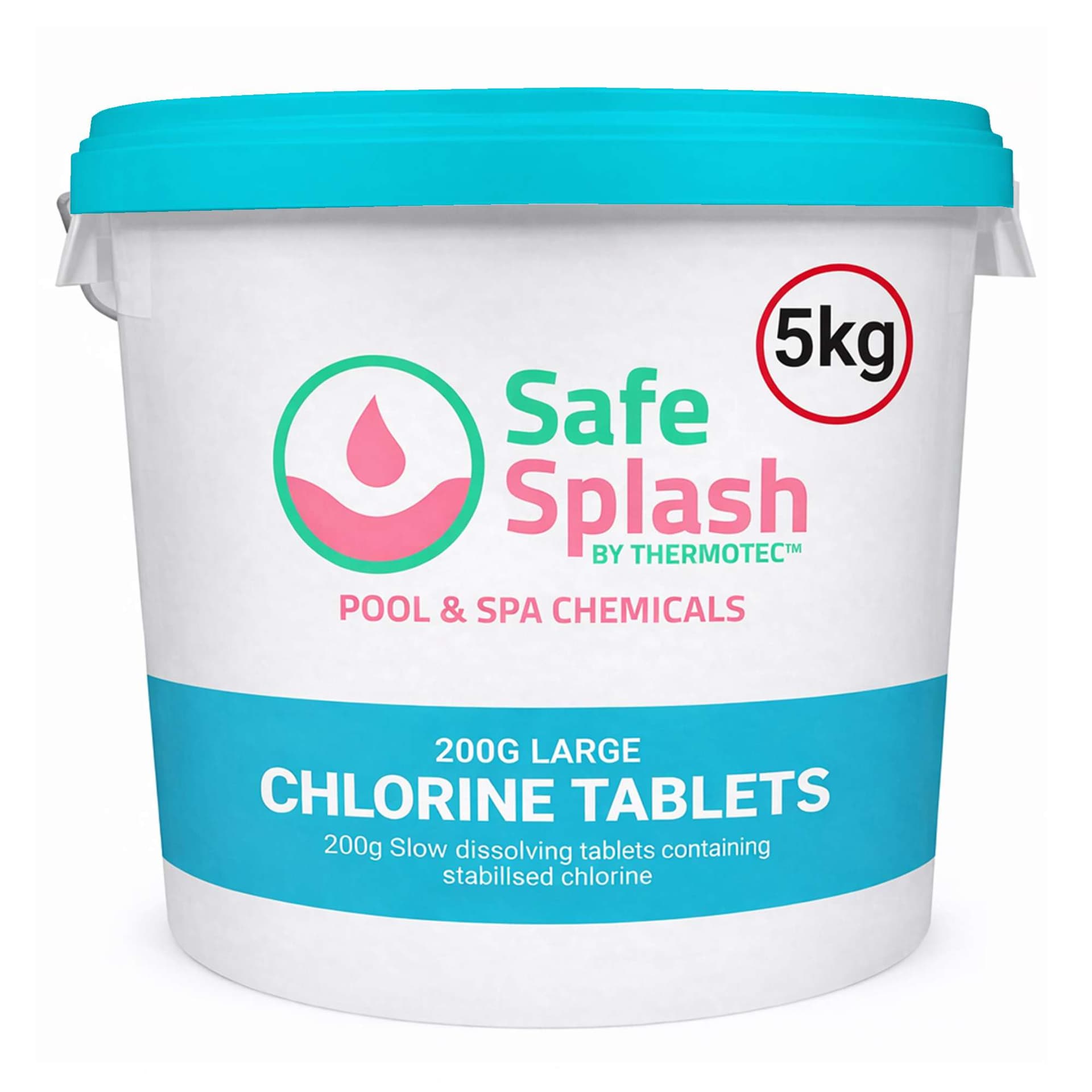
Safe Splash Chlorine Tablets Large 5kg
£40 inc. VAT
View product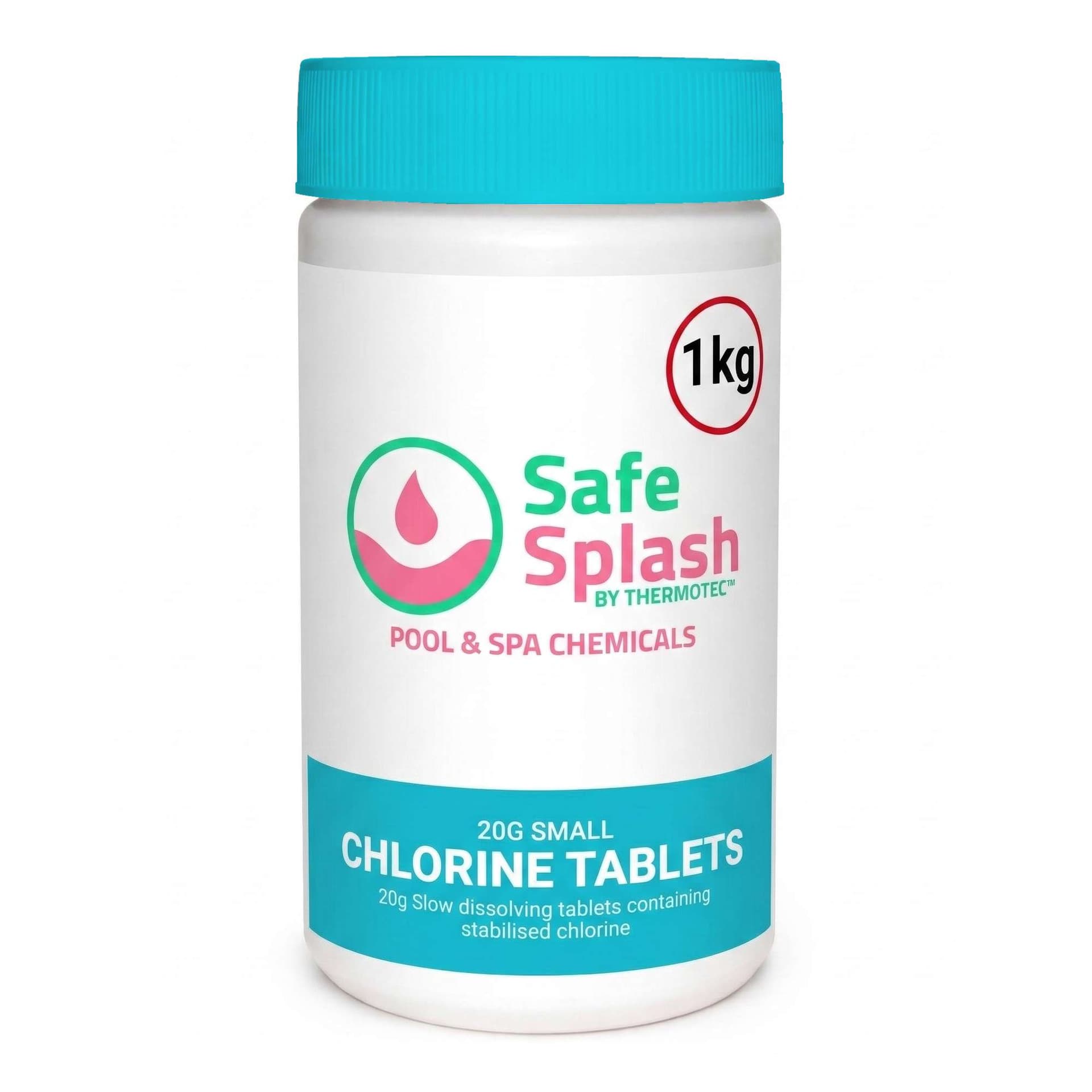
Safe Splash Chlorine Tablets Small 1kg
£18 inc. VAT
View product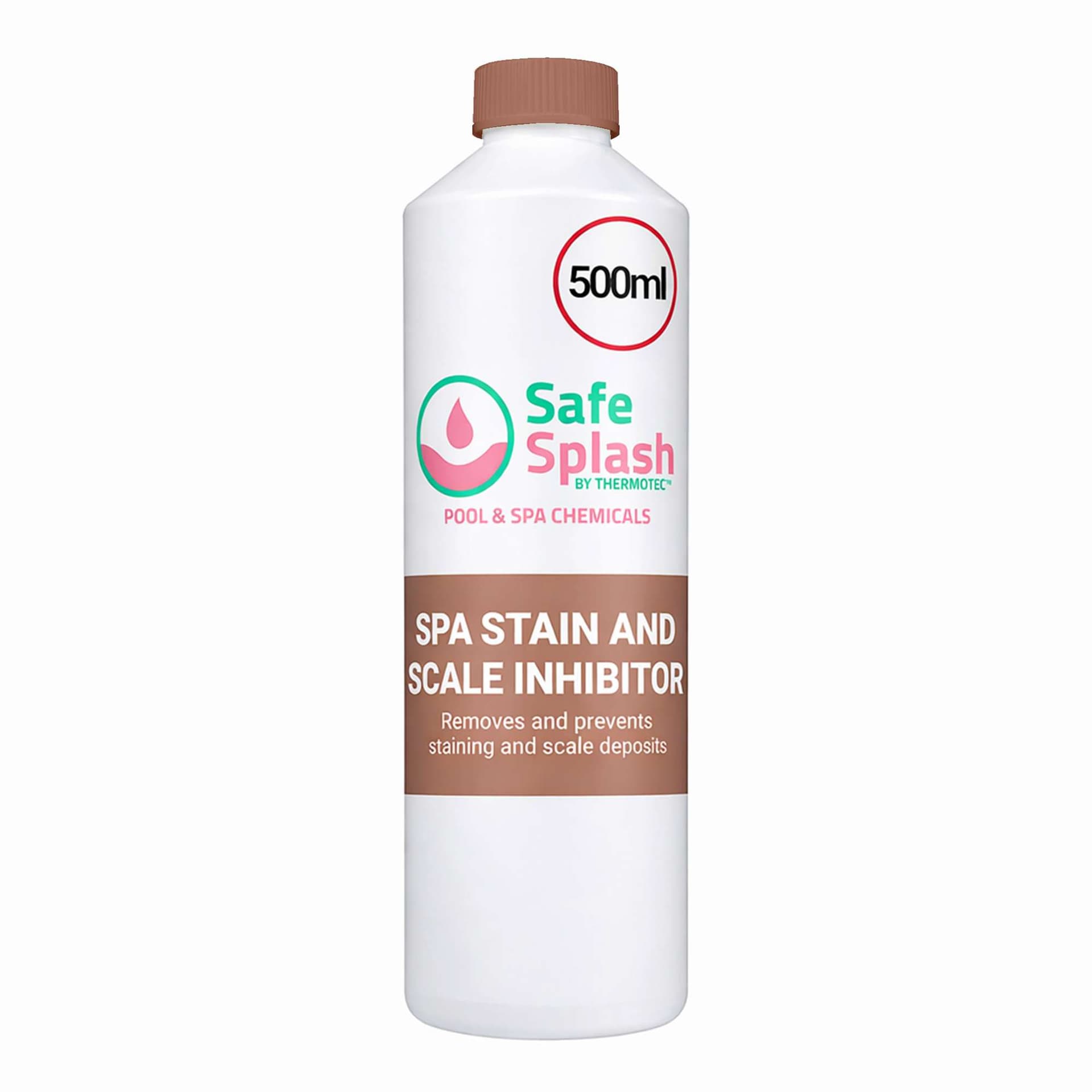
Safe Splash - Lbl Concentrated Stain and Scale
£20 inc. VAT
View product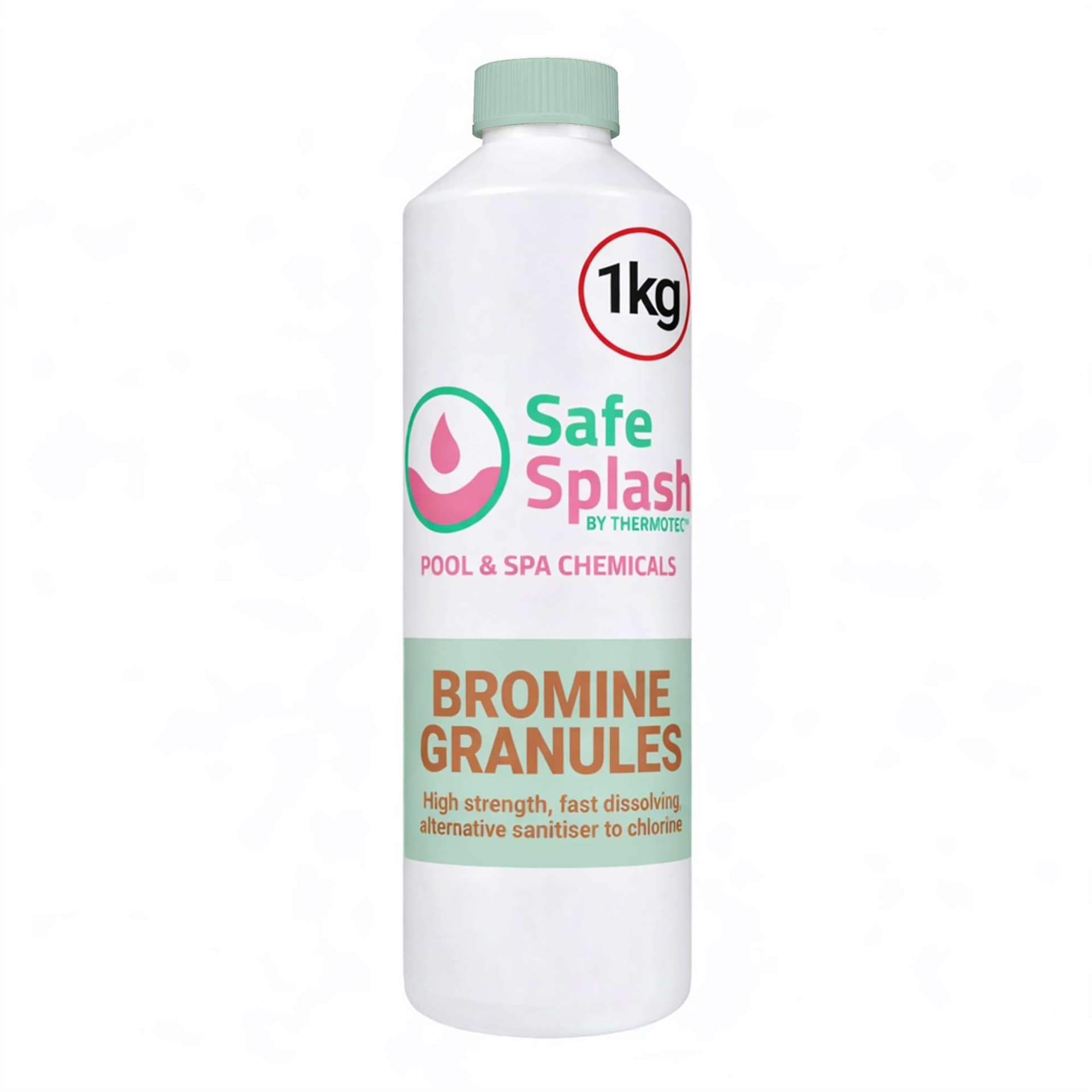
Safe Splash 1kg Spa Bromine Granules
£30 inc. VAT
View product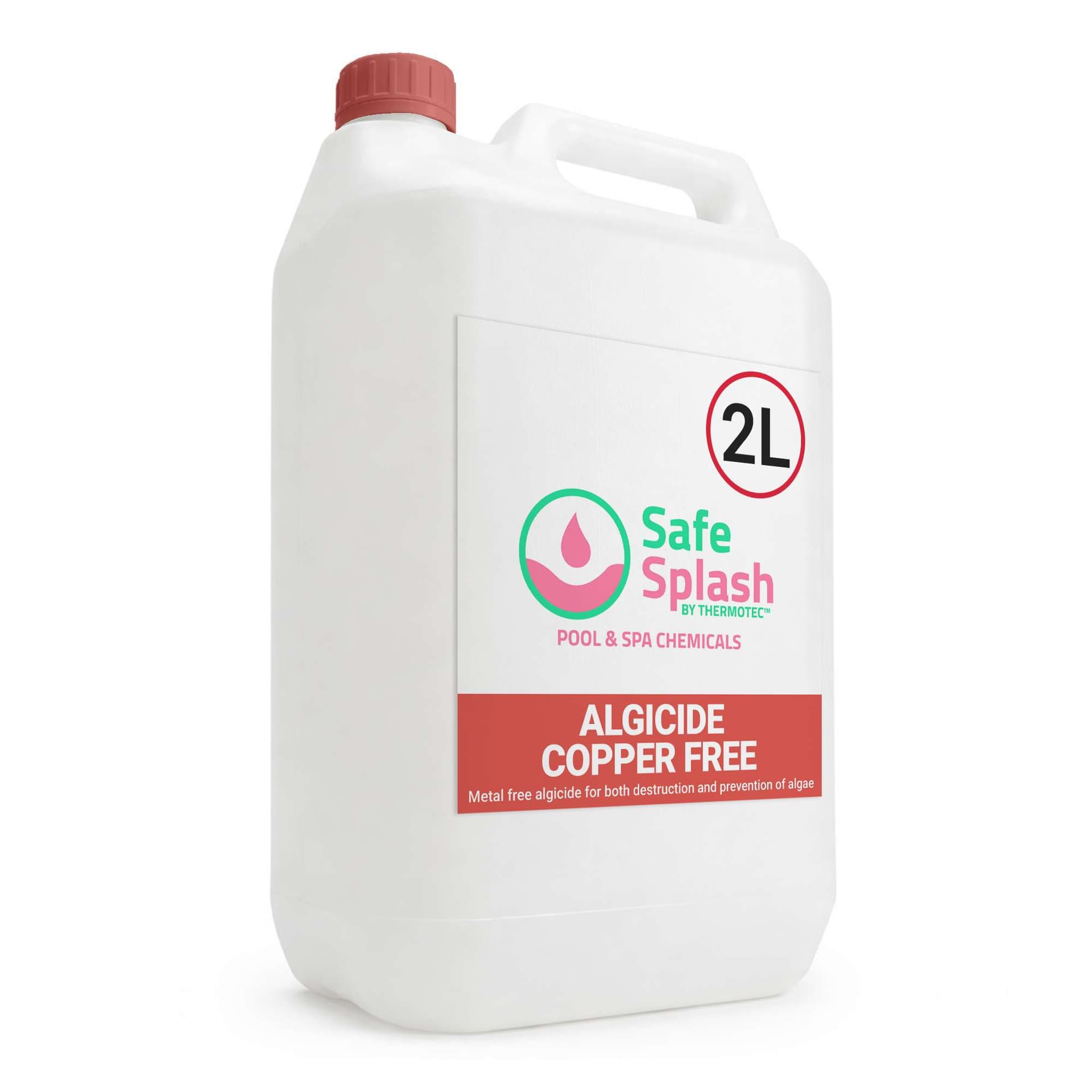
2L Safe Splash Algicide
£25 inc. VAT
View product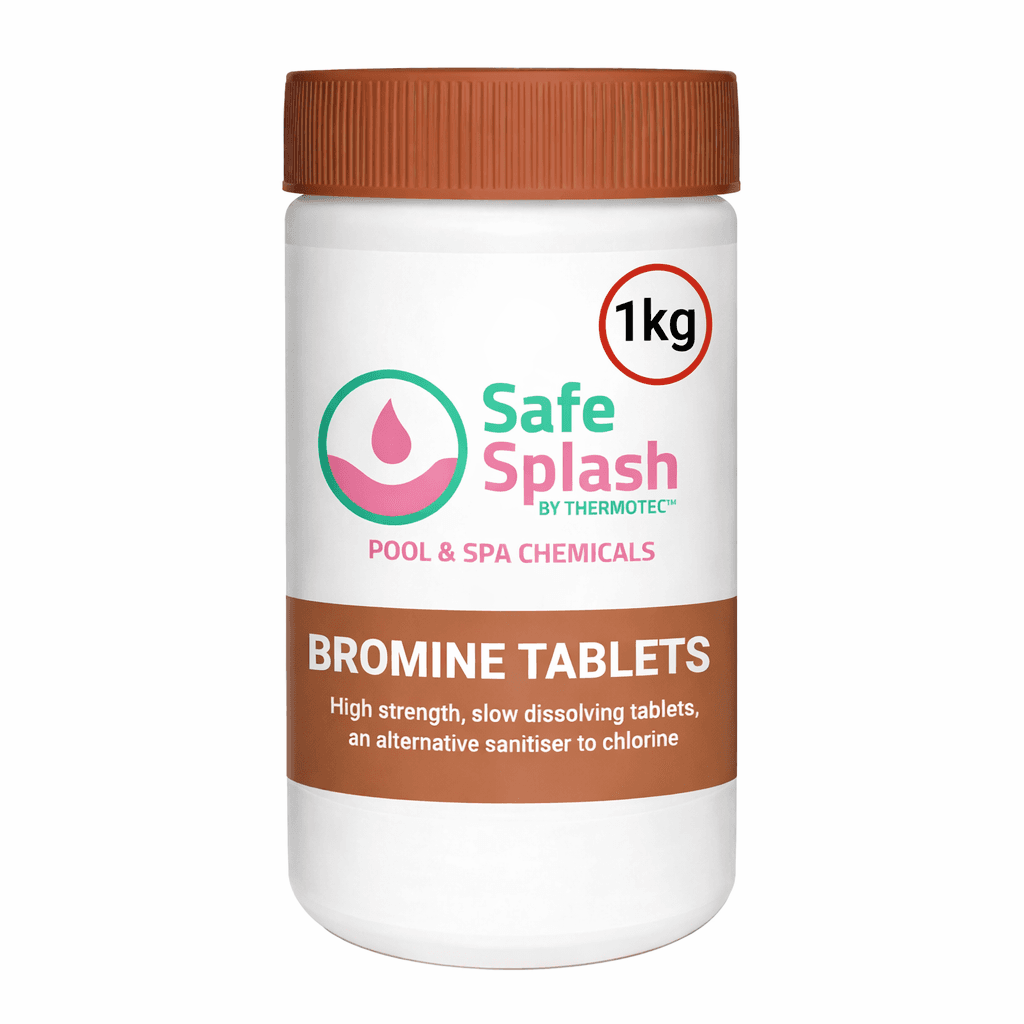
1kg Safe Splash Bromine Tabs
£30 inc. VAT
View product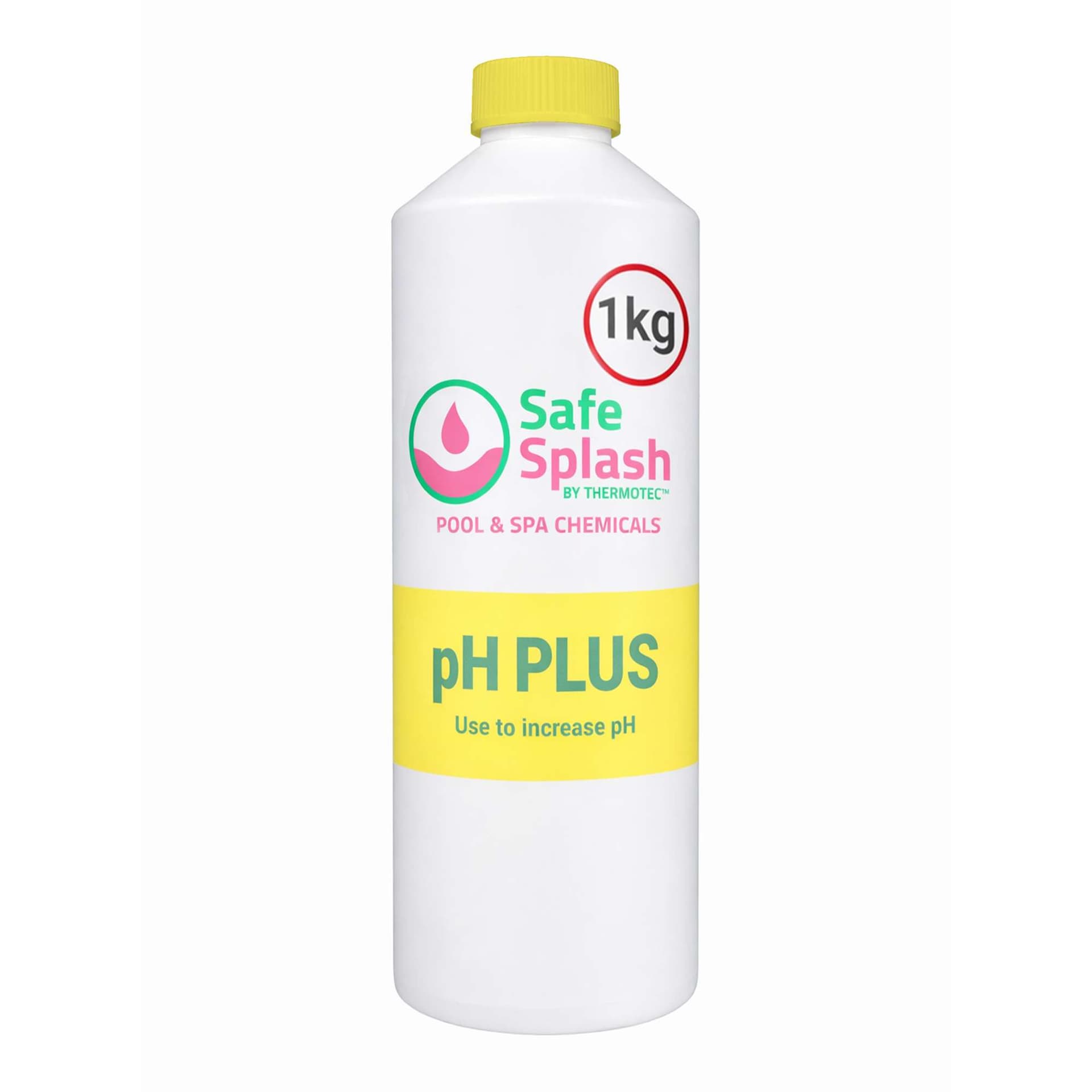
Safe Splash 1kg pH Plus
£15 inc. VAT
View productTreatments
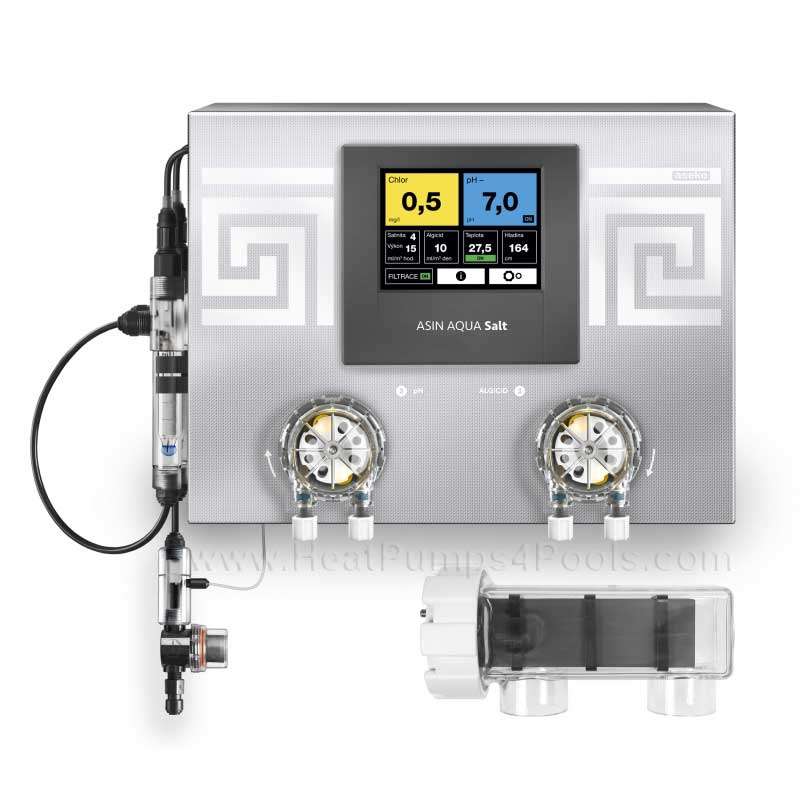
Asin Aqua Salt Automatic Pool Chlorinator and PH Pool Management System
£3,010 inc. VAT
View product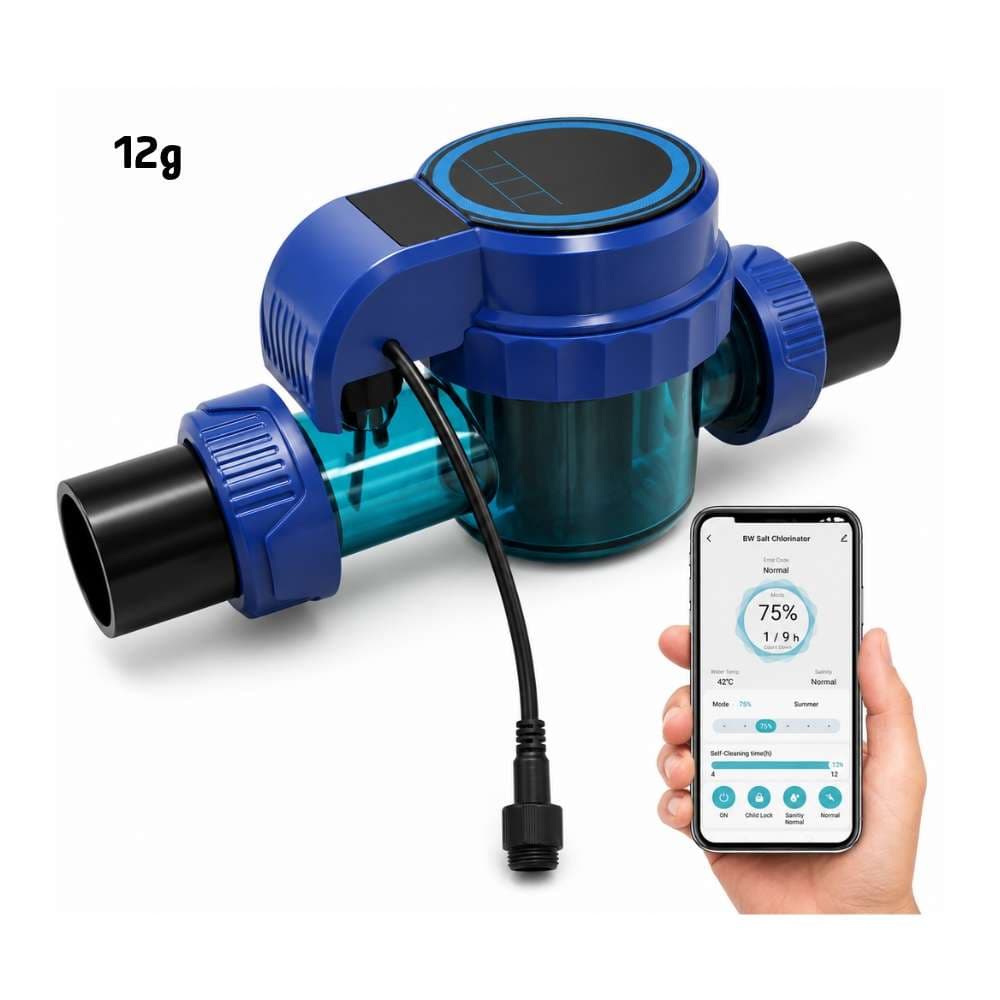
Thermotec Salt Chlorine Generator System for Swimming Pools up to 60m3 with Wi-Fi
£250 inc. VAT
View product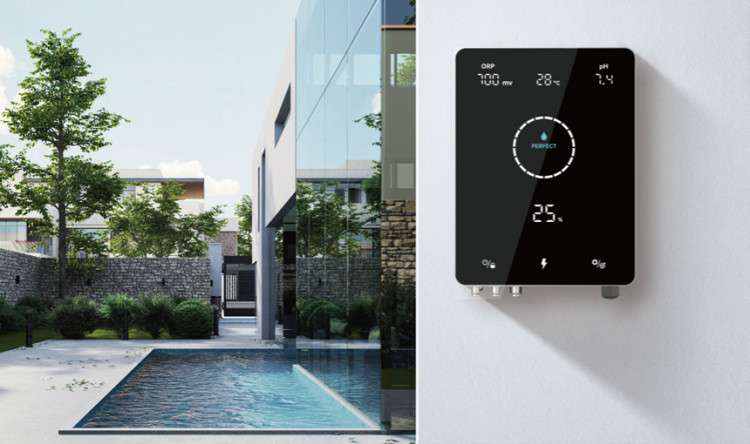
Mr Pure Salt Chlorinator Inverter with pH and Redox Probe for all swimming pools up to 130m3
£1,270 inc. VAT
View product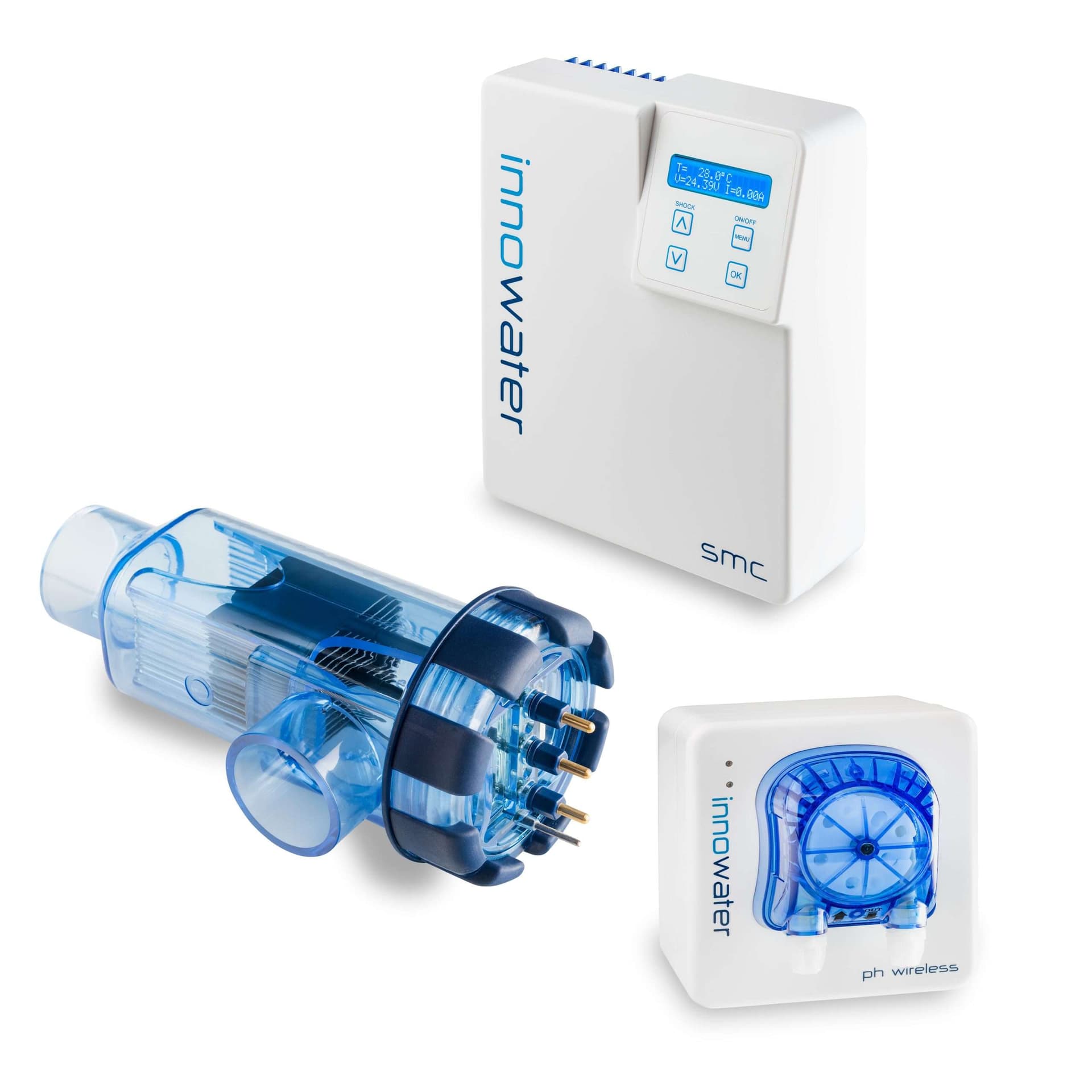
SMC Innowater Salt Water Chlorinator
£1,115 inc. VAT
View product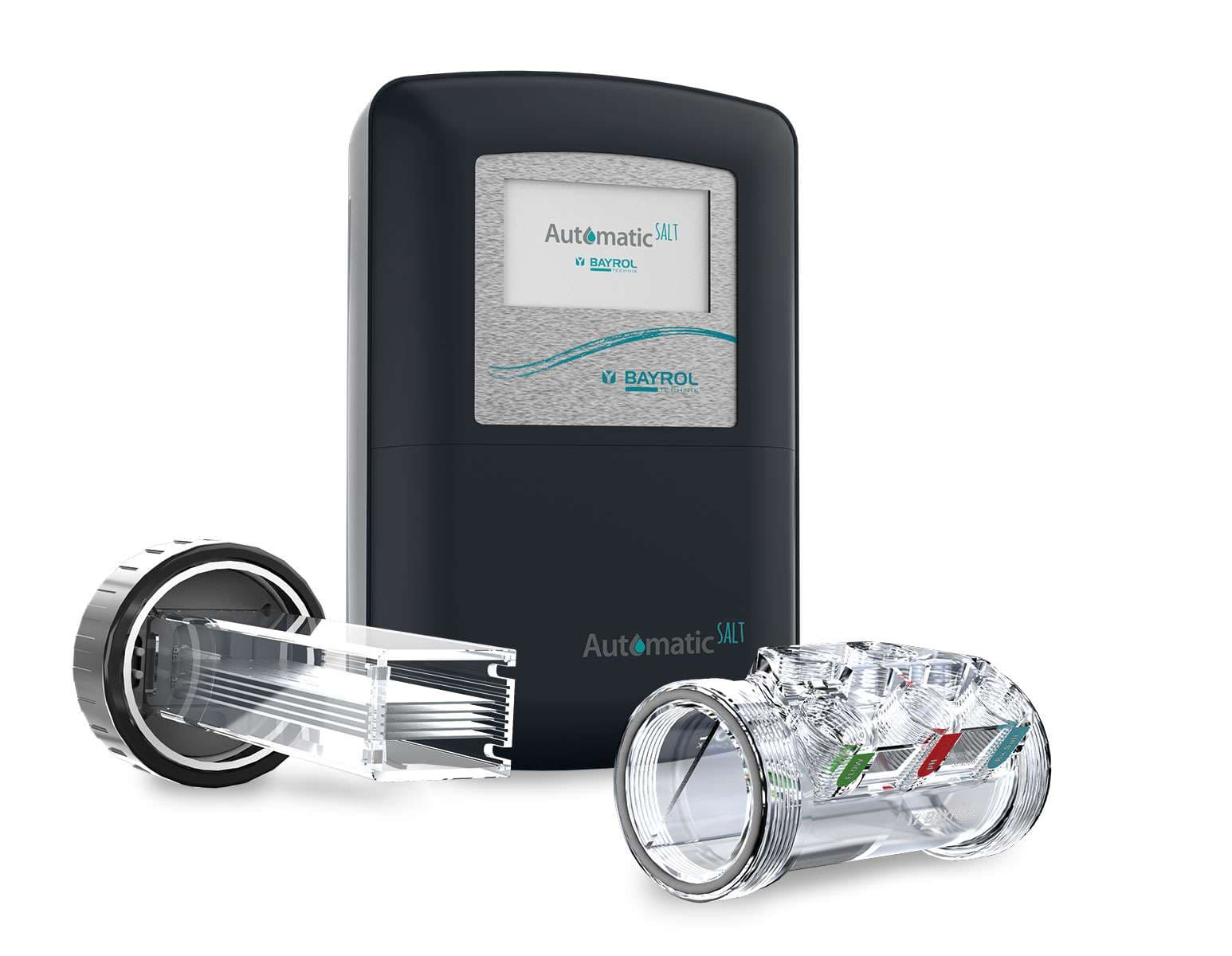
Bayrol Automatic Salt Chlorinator Generator Electrolysis for all swimming pools up to 140m3
£3,225 inc. VAT
View product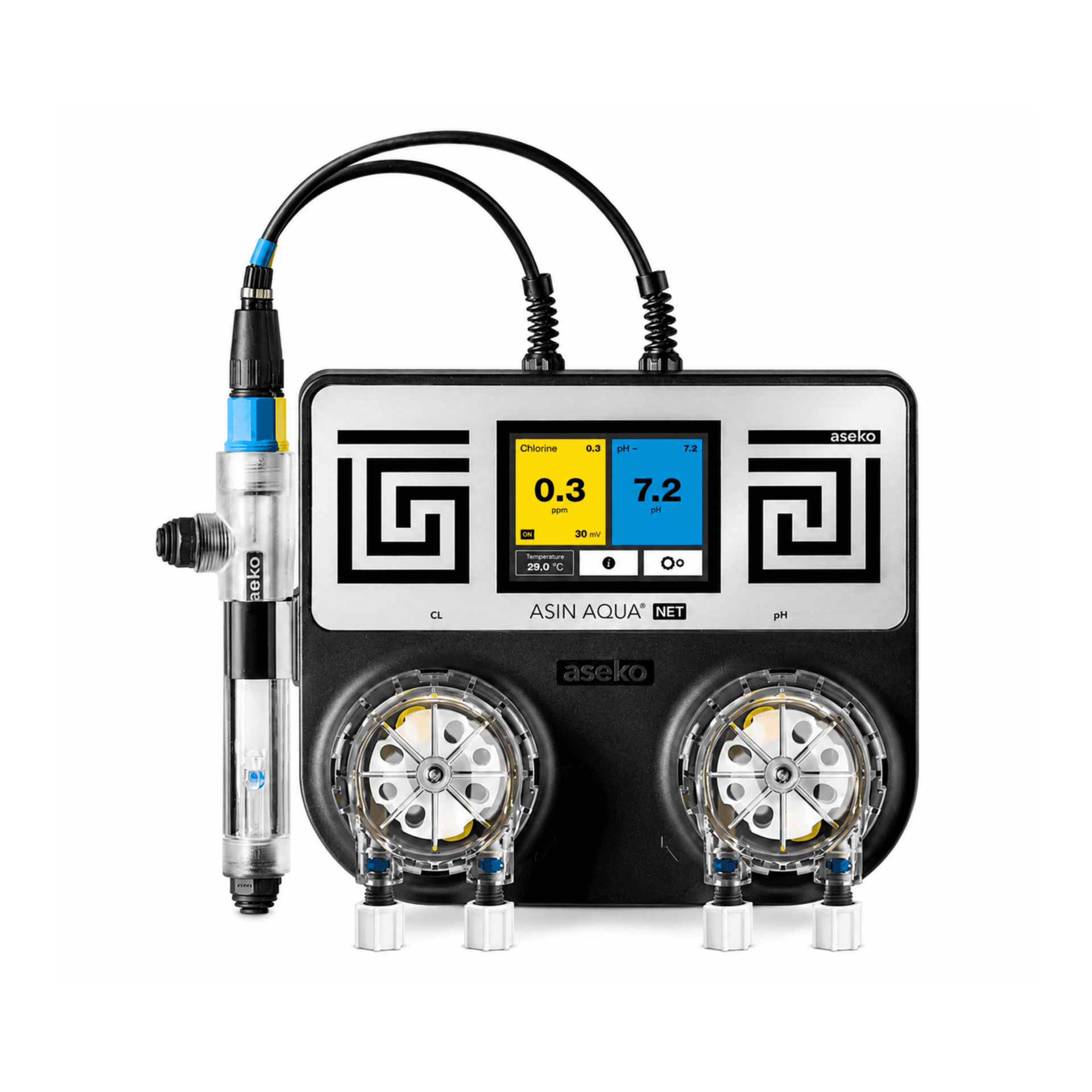
ASIN Aqua Chlorine & PH Automatic Pool Dosing System
£1,685 inc. VAT
View product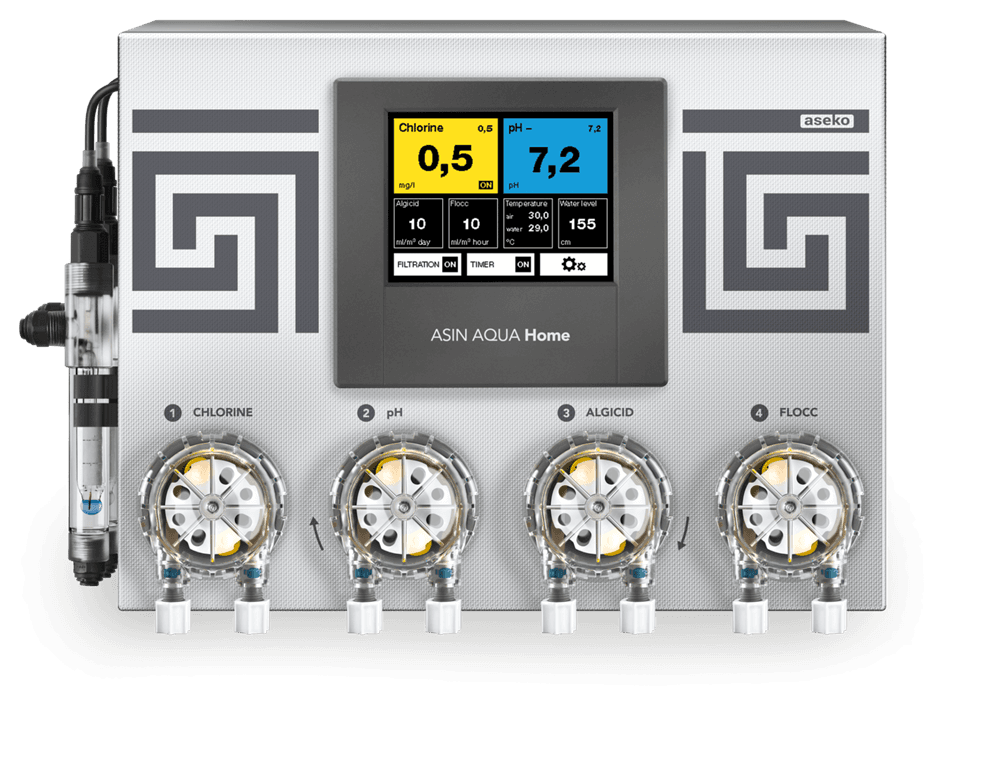
Asin Aqua Home Pro
£3,550 inc. VAT
View product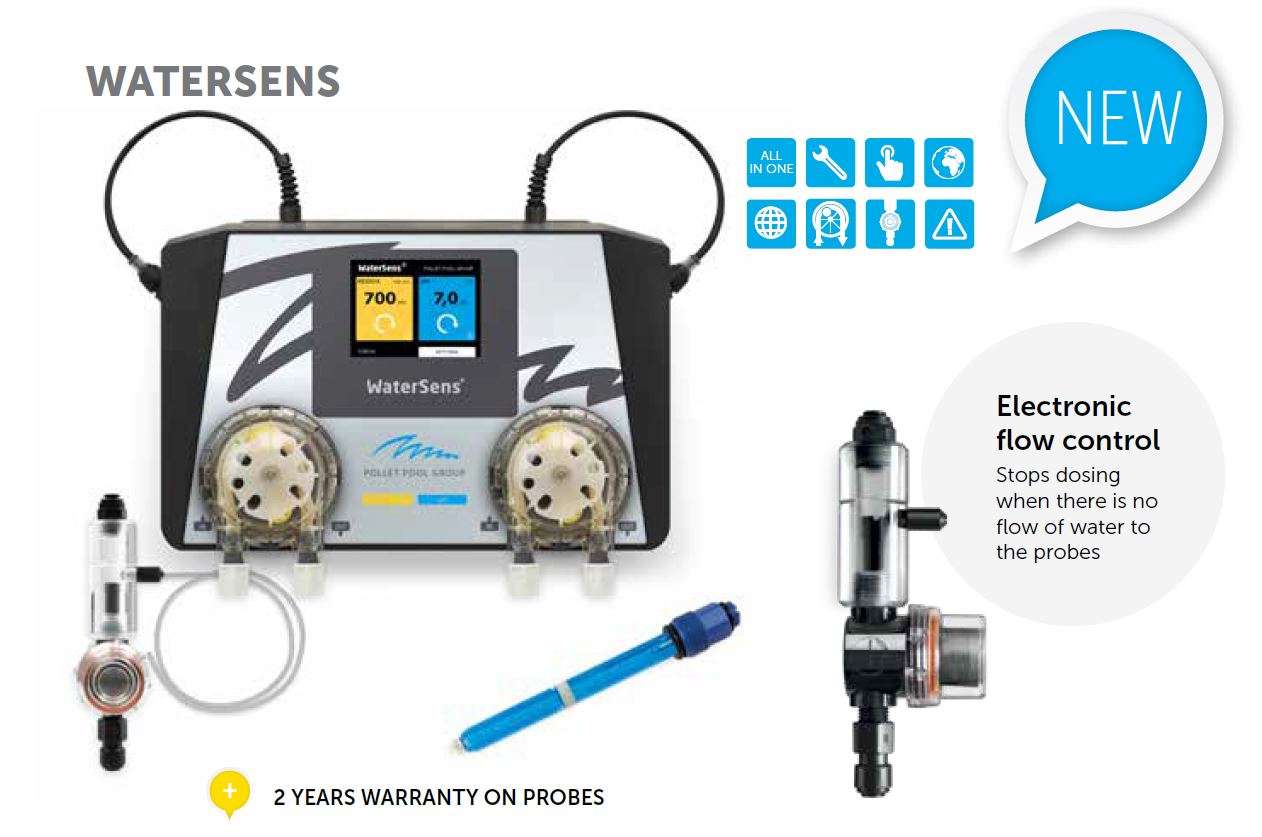
Watersens Chlorine & PH Automatic Pool Dosing Systems
Price on enquiry
View product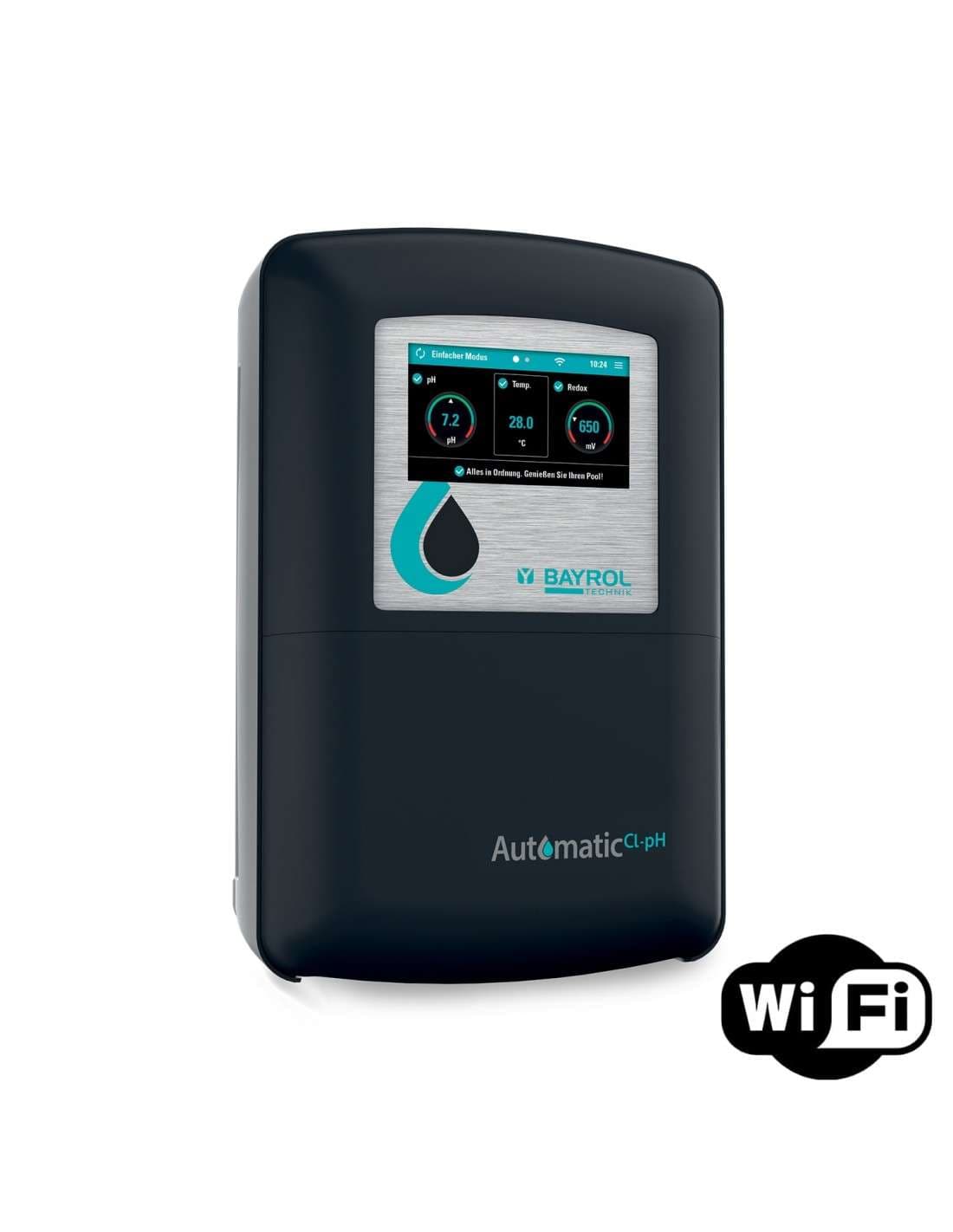
Bayrol Automatic Cl-pH Chlorine and pH Dosing System for swimming pools
£1,850 inc. VAT
View product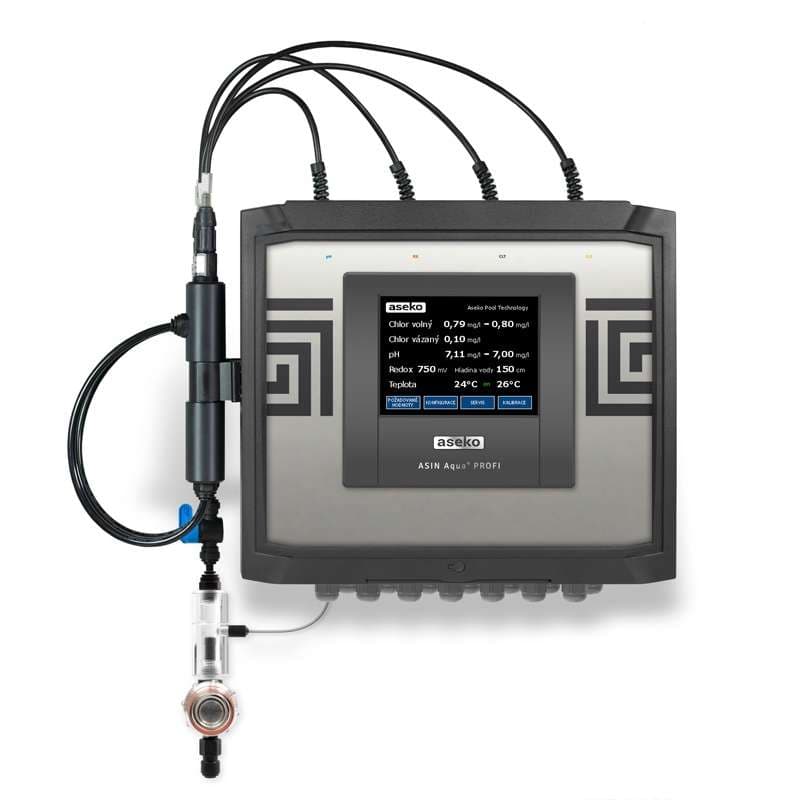
Asin Aqua Profi Professional Chlorine and PH Automatic Pool Dosing and Pool Management System
£4,430 inc. VAT
View product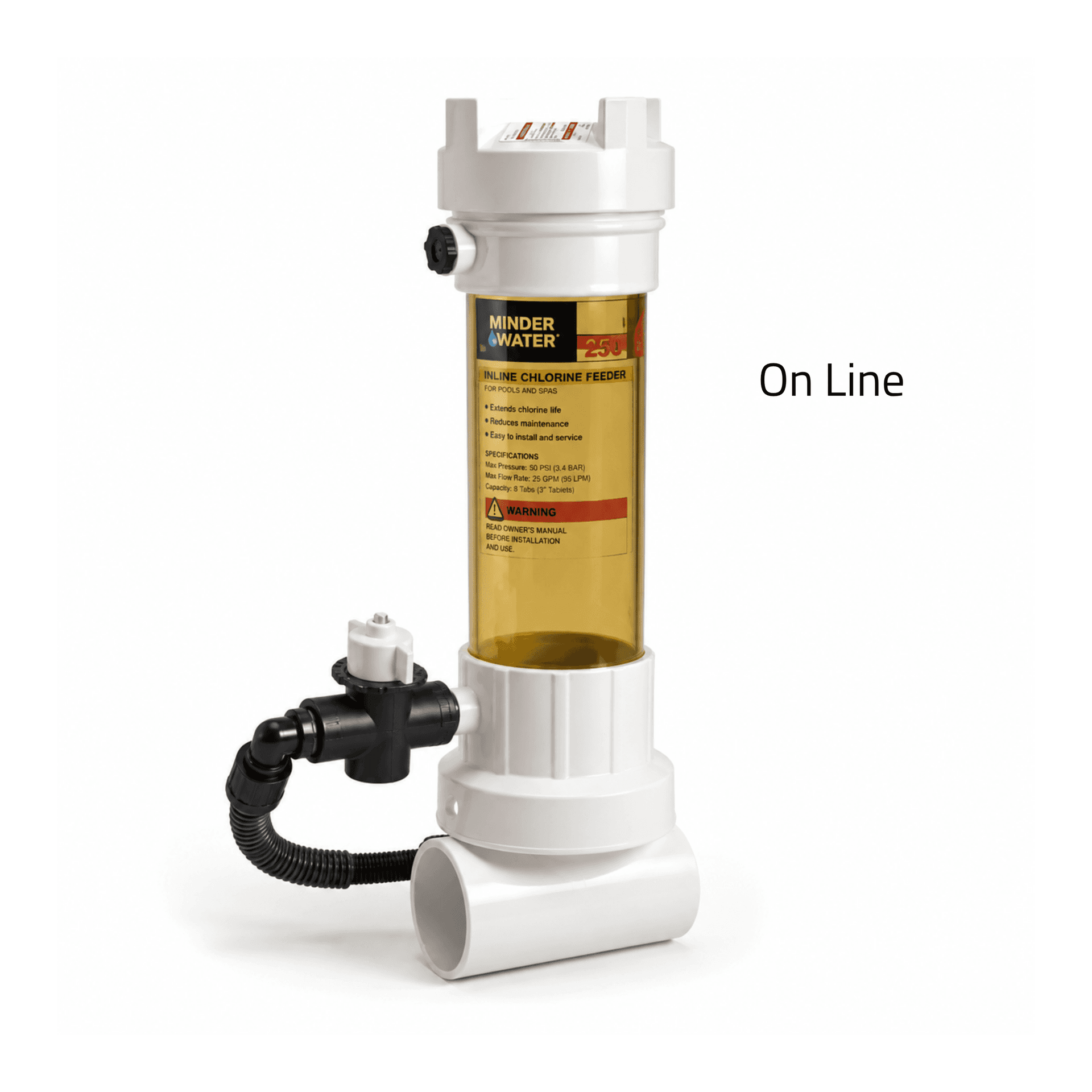
Rainbow Chemical Feeder for Chlorine or Bromine Tablets Pool Dosing for Swimming Pools
£165 inc. VAT
View product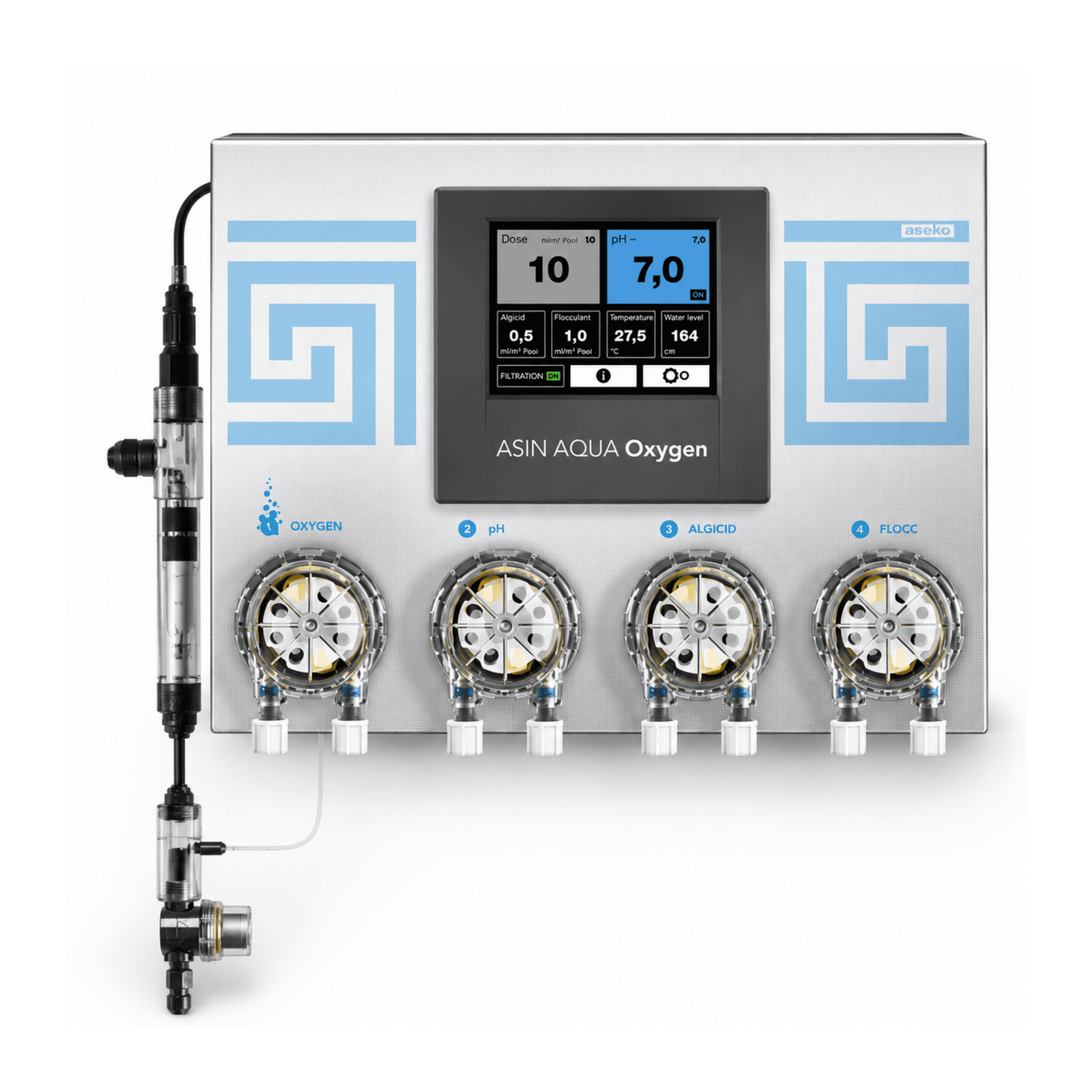
Asin Aqua Oxygen Non-Chlorine and PH Automatic Pool Dosing and Pool Management System
£3,100 inc. VAT
View productGetting pool water right
Three numbers, in this order
Almost every water problem comes back to testing in the wrong order. Set total alkalinity first, to somewhere between 80 and 120 ppm — it is the buffer that stops pH bouncing around. Then set pH, to between 7.2 and 7.6. Then, and only then, set free chlorine to 1–3 ppm. Chlorine added to water with a pH above 8 is only a fraction as effective as the same dose at 7.4, which is why people so often report that chlorine is not working when the real problem is pH.
Chlorine, salt, or non-chlorine?
Traditional chlorine, dosed as tablets or granules, is the cheapest and most straightforward approach and is what most pools use. A saltwater chlorinator does not make a chlorine-free pool — it generates chlorine from dissolved salt automatically, which means gentler water and much less handling of chemicals, in exchange for a higher up-front cost. Non-chlorine systems based on active oxygen suit smaller pools and anyone sensitive to chlorine, but need more attentive management. All three are represented in the range above.
The weekly routine
Test twice a week in the height of summer and weekly in the shoulder season. Keep a stabiliser level of roughly 30–50 ppm in an uncovered pool in full sun, or unfiltered UV will destroy your chlorine within hours. Shock the pool after heavy use, after a thunderstorm, or whenever the water loses its sparkle. If the pool smells strongly of chlorine, that is not too much chlorine — it is chloramines, and it means the pool needs shocking, not less chlorine.
Testing kit
Test strips are quick, cheap and accurate enough for weekly management. A liquid test kit gives better precision on pH and alkalinity. A photometer removes the colour-matching judgement entirely and is worth it if you like the data or find strips hard to read. Whichever you use, test at elbow depth away from the return inlet, and replace strips every season — they degrade once opened and old strips are the most common source of confusing readings.
Common questions
What should the pH of a swimming pool be?
Between 7.2 and 7.6. Below that the water becomes corrosive to metal fittings and uncomfortable for swimmers; above it, chlorine loses most of its effectiveness and scale starts to form. Always set total alkalinity to 80–120 ppm first, because it is what keeps pH stable.
How much chlorine should a pool have?
Free chlorine between 1 and 3 ppm for a domestic pool. If you are struggling to hold a level, check pH before adding more chlorine, and check your stabiliser level — an uncovered pool in full sun with no stabiliser can lose most of its free chlorine in a single sunny day.
Is a saltwater pool chlorine free?
No. A saltwater chlorinator generates chlorine electrolytically from dissolved salt, so the water is still sanitised by chlorine — just produced continuously and automatically rather than added by hand. The result is gentler on skin and eyes and much less chemical handling, which is why so many owners prefer it.
Why is my pool water cloudy?
Most often poor filtration, water out of balance, or both. Check the filter is clean and the pump is running long enough, then test alkalinity and pH before anything else. Cloudy water with a strong chlorine smell usually means chloramines, which needs shocking rather than reducing chlorine.
How often should I test my pool water?
Twice a week in high summer, weekly the rest of the season, and after any heavy use or heavy rain. Test at elbow depth away from the return inlet, and replace test strips each season — strips degrade after opening and stale strips give misleading readings.
Need advice on equipment?
Our team can recommend the right products for your specific pool and setup.